




Closed Myoma Surgery
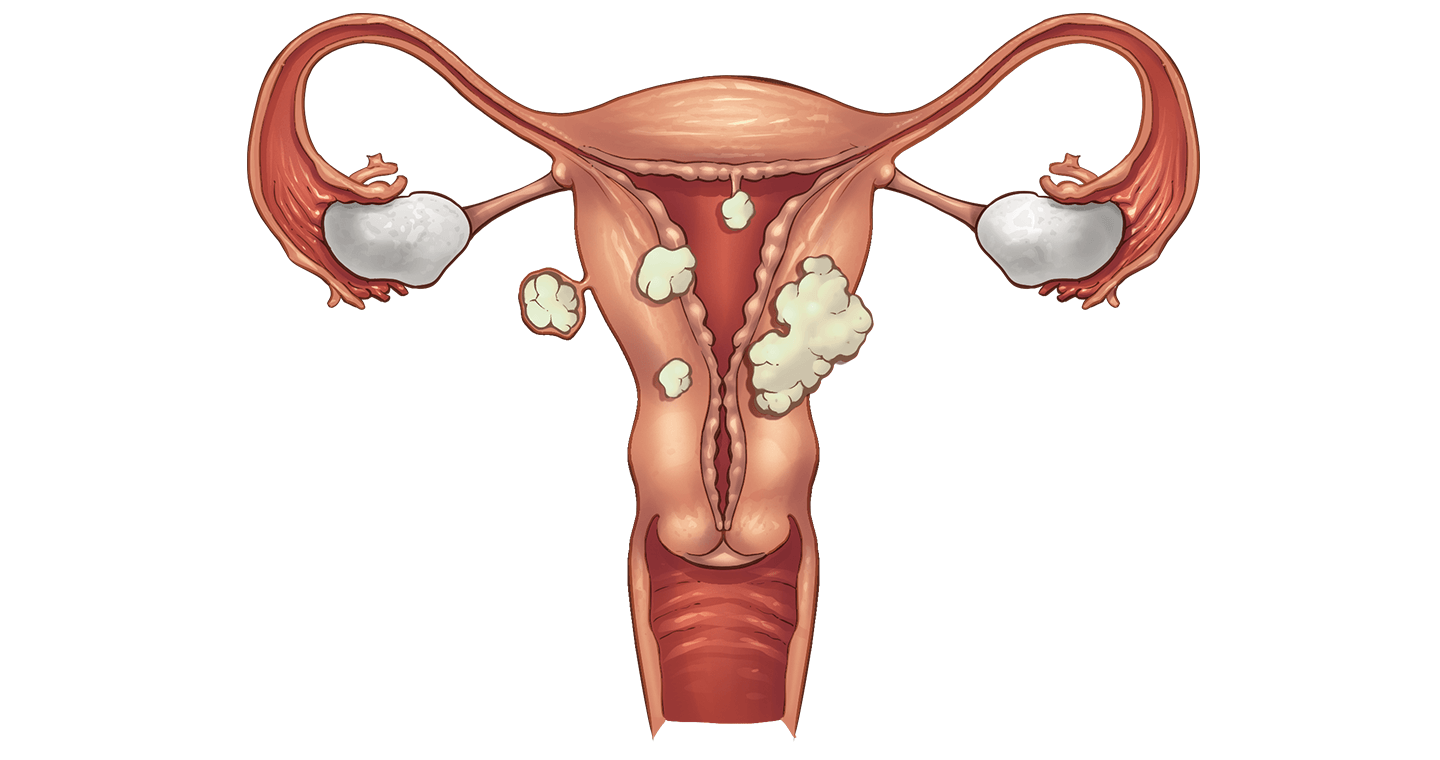
Closed myomectomy is a treatment method based on the surgical removal of fibroids. This surgical method is often preferred over open surgery because it offers less scarring, shorter recovery time, and less pain. This procedure is usually performed using the laparoscopic method. Laparoscopic surgery allows the surgical incision to be smaller, resulting in less scarring and pain during recovery.
During a closed myomectomy, the doctor removes the fibroids with surgical tools and repairs the uterine tissue. After the surgery, the patient is usually discharged within 24 hours. The recovery time is generally 2-4 weeks, and it is important to follow the instructions given by your doctor.
How Long Does a Myomectomy in the Uterus Take?
The duration of a myomectomy in the uterus can vary depending on the size, number, and location of the fibroids. Laparoscopic myomectomy usually takes between 2 and 4 hours, but the duration can be longer if larger or multiple fibroids need to be removed. Myomectomy performed with open surgery may take even longer.
Furthermore, the duration of the surgery can also depend on the surgical technique used and the surgeon's experience. Therefore, for more detailed information on the duration of the surgery, you should consult with your doctor.
Things to Watch Out for After Laparoscopic Myomectomy
There are some important issues that need to be taken into consideration after laparoscopic myomectomy, as certain complaints and health problems that may arise after the surgery are often due to not paying attention to these important issues.
Based on the experiences of those who have had myomectomy surgery, it is possible to see that serious problems arise when these issues are not given enough attention.
During this process, it is particularly important for patients to follow all the details specified by their doctor and to avoid situations that are strictly prohibited for a while.
Things to watch out for after laparoscopic myomectomy generally include weight control, physical activity, recovery time, urinary tract infections, follow-up checks for pregnancy or bleeding, and so on.
It is quite normal to experience pain, swelling, and bruising during the recovery period that usually lasts between 2 to 4 weeks after laparoscopic myomectomy.
At the same time, it is necessary to use the painkillers prescribed by the doctor for pain control in the recommended amount and duration. Although the procedure does not involve stitches, physical activities should be limited for 2 to 4 weeks after the procedure.
There is a high risk of urinary tract infections after the procedure. Therefore, individuals should regularly clean their urinary tracts after the procedure and regularly use the medications and applications recommended by the doctor to prevent potential infections.
After laparoscopic myomectomy, your chances of getting pregnant return to normal. However, it is necessary to plan your pregnancy with your doctor and delay it for a while in cases where the doctor does not recommend it.
Regular check-ups and attending the examination days set by the doctor after the procedure are crucial for detecting any possible relapses.
Finally, while some bleeding after the procedure is natural, if there is excessive bleeding, it should be reported to the doctor immediately.
Differences Between Open Myomectomy and Laparoscopic Myomectomy
The differences between open myomectomy and laparoscopic myomectomy are a common topic of research for people, especially when choosing the type of procedure. In theory, there are significant differences between the two procedures, as one is performed with an incision and the other with a special device.
At this point, the differences between the two procedures are compared according to some main categories. These categories can be listed as follows:
- Surgical procedure
- Recovery time
- Pain and swelling
- Scars
- Pregnancy possibility
Open myomectomy requires the uterus to be opened and the myomas to be removed manually. Laparoscopic myomectomy is performed using a laparoscopic method, which allows the surgical intervention to be performed through smaller incisions.
Open myomectomy requires a longer recovery time. Laparoscopic myomectomy has a shorter recovery time.
After open myomectomy, there may be more pain and swelling. These effects are less with laparoscopic myomectomy.
After open myomectomy, larger and more visible scars may appear. After laparoscopic myomectomy, scars are smaller and less visible.
Due to more damage to the uterus tissue after open myomectomy, the chance of future pregnancy may be affected. After laparoscopic myomectomy, the uterus tissue is less damaged, so the chance of future pregnancy is less affected.
Laparoscopic Myomectomy Prices
Laparoscopic myomectomy prices may vary depending on factors such as the location of the operation, the surgeon's experience, and the type of hospital where the operation is performed. It should be noted that laparoscopic myomectomy prices can vary significantly and it is best to consult a healthcare professional for a more accurate estimate.
Especially for detailed information on laparoscopic myomectomy prices, it is possible to obtain the most accurate information through conversations with the center where the procedure will be performed and the doctor who will perform the procedure.