





Endometrioma Treatment
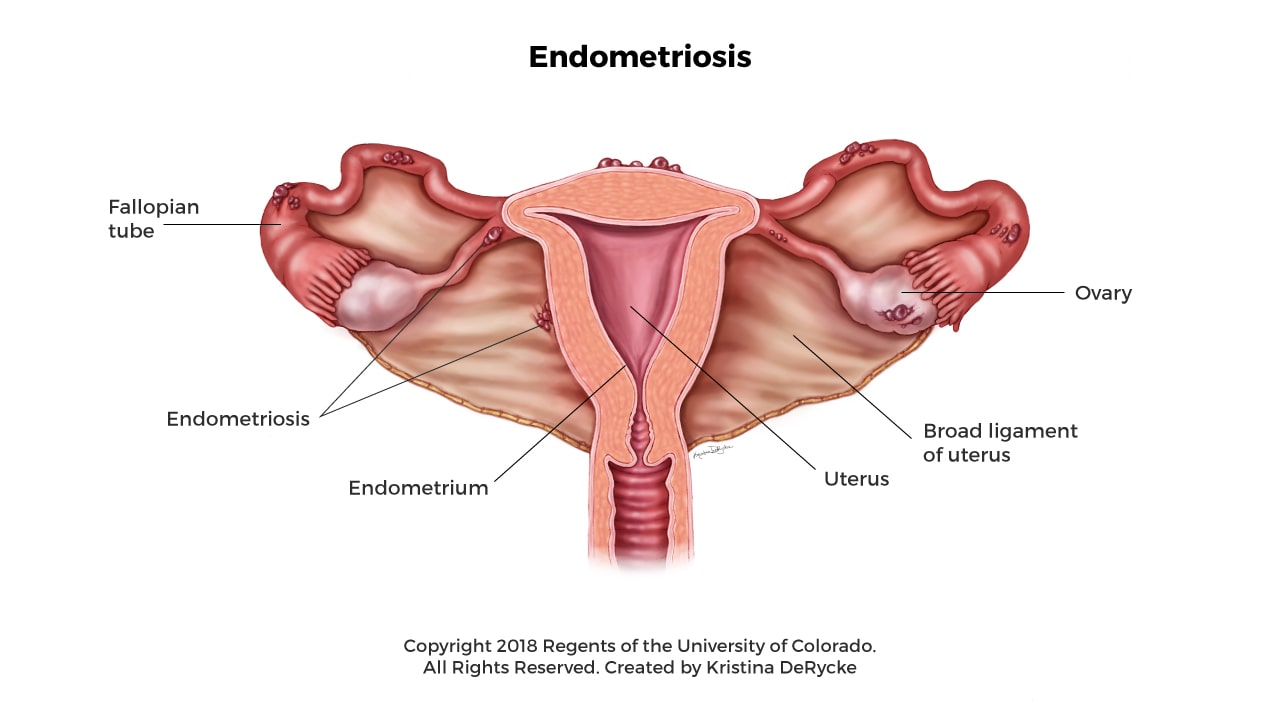
Endometrioma Treatment: Personalized Approach for Chocolate Cyst
endometrioma treatmentIt refers to the medical approach planned for cystic structures that develop due to endometriosis foci in the ovaries and are often known as "chocolate cysts" among the public. Endometrioma does not progress the same way in every patient; While it can be observed for a long time in some women without symptoms, in some patients, it presents with severe pain during menstrual periods, chronic groin pain, pain during intercourse, feeling of bloating and reproductive problems. Therefore, endometrioma treatment depends not only on the size of the cyst; It should be planned individually according to pain level, age, pregnancy desire, ovarian reserve and accompanying findings.
The aim of endometrioma treatment is not just to eliminate the cyst. Reducing pain, improving quality of life, protecting ovarian tissue and protecting fertility are at least as important as the cyst itself.
Article Summary
The issue of Endometrioma Treatment should be addressed by evaluating the person's complaints, examination findings and needs together. In this article, the basic points about Endometrioma Treatment, the diagnosis-treatment process and things to consider are summarized.
What Will You Find in This Article?
- Endometrioma Treatment: Personalized Approach for Chocolate Cyst:This section explains basic information on the subject, the evaluation process and points to consider.
- What is Endometrioma?:This section explains basic information on the subject, the evaluation process and points to consider.
- Why does endometrioma occur?:This section explains basic information on the subject, the evaluation process and points to consider.
- What are the Symptoms of Endometrioma?:This section explains basic information on the subject, the evaluation process and points to consider.
What is Endometrioma?
Endometrioma is a cystic structure that develops in the ovary, has endometriosis tissue on its wall, and often contains old blood accumulation. For this reason, it is popularly referred to as "chocolate cyst". Endometrioma, which is among the different subtypes of endometriosis, can be seen alone or with intra-abdominal adhesions, deep infiltrative endometriosis or superficial foci.
In the evaluation of endometriosis and ovarian cyst, pain pattern, menstrual pattern, ultrasound findings and pregnancy plan should be considered together [1][2].
Why Does Endometrioma Occur?
Having a family history, starting menstruation at an early age, short cycle intervals, long menstrual bleeding and some anatomical or hormonal characteristics may increase the risk. However, it cannot be said that every person with risk factors will develop endometrioma; Similarly, endometrioma can be detected in patients whose risk factors are not clear.
Treatment selection; It should be individualized according to the type of cyst, its size, growth tendency, severity of complaints, and the patient's fertility goals [1][3].
What are the symptoms of endometrioma?
One of the most common complaints of endometrioma is pain in the groin and pelvic area. This pain can be felt not only during menstrual days but also at different periods of the cycle. Symptoms such as painful menstruation, pain during sexual intercourse, pain during urination or bowel movements, feeling of frequent urination, waist and back pain, nausea, vomiting and bloating may also be observed.
If a surgical decision is to be made, factors such as ovarian reserve, possibility of recurrence and pathology risk should be balancedly evaluated [1][2].
In terms of reproductive health, endometriosis and endometrioma can make it difficult for some women to get pregnant due to adhesions and inflammation around the ovaries and tubes. However, instead of panic, a planned evaluation approach should be adopted in every patient with endometrioma.
How Is Endometrioma Diagnosed?
The first step in diagnosis is a detailed patient history and gynecological examination. Transvaginal ultrasound is one of the most commonly used methods in the evaluation of endometrioma; If necessary, detailed examination can be performed with MRI. Even if imaging findings are normal, if complaints persist, clinical evaluation should be continued.
In patients for whom follow-up or drug therapy is planned, the control interval can be rearranged according to symptom change and imaging findings [2].
In some cases, the definitive diagnosis becomes clear through pathological examination of the tissue removed during surgery. However, in practice, it is not necessary to perform surgery first in every case of endometrioma suspicion; Clinical and radiological evaluation may be sufficient for treatment planning in many patients.
When is Endometrioma Treatment Required?
When making a treatment decision, only "is there a cyst or not?" The question is not asked. The patient's age, ovarian reserve, pregnancy plan, pain level, previous surgeries, whether the cyst is unilateral or bilateral, and the possibility of accompanying deep endometriosis are also taken into consideration. Therefore, endometrioma treatment should be considered as an individualized strategy, not a standard prescription.
Drug Approach to Endometrioma Treatment
Medications play an important role in endometrioma treatment, especially in terms of pain control and symptom management. Painkillers and anti-inflammatory medications may help reduce menstrual cramps and pelvic pain in some patients. However, these drugs do not eliminate the disease itself.
Hormonal treatment aims for more comprehensive symptom control. Combined hormonal contraceptives, progestin-containing treatments, GnRH analogues and, in selected cases, different hormonal options may be considered. These treatments can help control symptoms; However, when stopped, complaints may return. Therefore, drug treatment should be planned according to personal goals.
Endometrioma Treatment in Patients Planning Pregnancy
Endometrioma management should be planned more precisely in patients who want pregnancy. Because, on the one hand, endometriosis may affect fertility, and on the other hand, surgical procedure may lead to a decrease in ovarian reserve. Therefore, in patients planning pregnancy, the treatment decision is not only based on cyst size; It should be given by considering age, ovarian reserve, pain level and previous treatments together.
In cases with pregnancy plans, laparoscopic surgery may be an option in suitable patients. However, when deciding on surgery, ovarian reserve must be taken into account, and fertility expectations and the expected benefit from treatment must be evaluated together.
When to Consider Endometrioma Surgery?
Endometrioma surgery is especially considered in cases that cause significant pain, tend to grow, cause doubt in the differential diagnosis, carry a risk of rupture, or are considered clinically significant in the evaluation of infertility. The decision for surgery should be made taking into account the patient's age, desire for pregnancy, size of the cyst, whether it is unilateral or bilateral, and ovarian reserve.
Laparoscopic approach is one of the frequently used surgical methods today. However, it should not be forgotten that surgery is not always risk-free. Surgical decisions should be made more carefully, especially in patients with bilateral endometrioma, recurrent surgeries, or borderline ovarian reserve.
The decision for surgery is not just about removing the cyst; It should be based on getting the most accurate result with the least possible ovarian loss.
Endometrioma Treatment Options Comparison Chart
| Treatment Option | Who Is More Suitable? | Advantages | Things to Consider |
|---|---|---|---|
| regular follow up | Small, asymptomatic, stable cysts | Can prevent unnecessary surgery | Growth, increased pain, or imaging changes should be monitored |
| Pain relief treatment | In patients with pain-predominant complaint | Provides symptom control | Does not eliminate the disease, long-term use requires medical supervision |
| hormonal therapy | In patients who have no pregnancy plans and have pain | It can reduce pain and menstrual-related complaints | Symptoms may return when the drug is stopped, side effects vary from person to person. |
| laparoscopic surgery | In cases that are painful, large, growing or selected in terms of pregnancy planning | May reduce symptoms and increase the chance of spontaneous pregnancy in some patients | The risk of damaging the ovarian reserve and the possibility of recurrence should be evaluated. |
| Hormone therapy after surgery | In patients who do not intend to become pregnant immediately | May help reduce the risk of relapse | Patients with pregnancy plans should be re-evaluated according to the goal. |
Postoperative Process and Recurrence Risk
One of the most important topics after endometrioma treatment is the risk of recurrence. Treatment is not a one-step process that ends with surgery; It may require regular follow-up, monitoring of complaints and long-term management according to the pregnancy plan.
The Relationship Between Endometrioma and Pregnancy
The presence of endometriosis may affect the pregnancy process; However, this does not mean that every patient cannot have children. The aim of patients considering pregnancy is to evaluate ovarian reserve, age, cyst characteristics and accompanying infertility factors together without causing unnecessary panic.
Existing endometriomas during pregnancy may sometimes change appearance. Therefore, in patients who are planning pregnancy or are pregnant, follow-up should be individualized, and further evaluation should be planned in case of suspicious imaging findings.
In Which Situations Is Urgent Evaluation Required?
- Suspicion of rapid growth or unusual appearance on imaging,
- Increasing pain despite treatment,
- Symptoms of pressure on the bowel or urinary system,
- Newly developing pelvic pain during pregnancy.
In these cases, re-evaluation should be made without waiting.
Frequently Asked Questions
Endometrioma is not a structure that disappears completely on its own most of the time. In minor and asymptomatic cases, it may remain stable for a while; Therefore, regular follow-up may be sufficient in some patients. However, if there is pain, growth or other risks, active treatment is considered.
No. Small, asymptomatic, and clinically low-risk endometriomas can only be monitored in some patients. Surgery is mostly considered in cases such as pain, growth, infertility planning or risk of complications.
Medication often helps control pain and symptoms. Hormonal treatment may suppress the activity of the disease, but it may not mean a permanent and definitive solution. The symptoms may return when the medication is stopped.
Especially in surgeries where the cyst wall is removed, the risk of damaging the ovarian tissue is taken into consideration. Therefore, when making a surgical decision, ovarian reserve and future pregnancy plan should be evaluated.
In case of rupture, sudden and severe abdominal pain, fever, vomiting, weakness and fainting may occur. In such a case, urgent evaluation is required without delay.