





Genital Wart Symptoms and Treatment in Women
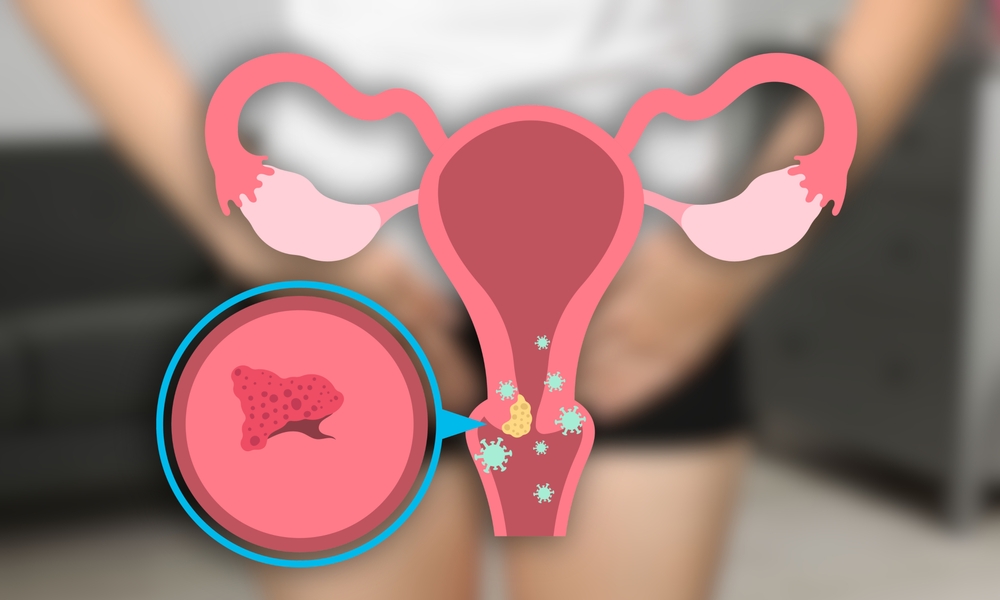
Genital warts are one of the most common sexually transmitted infections in women.HPV (Human Papilloma Virus)caused by skin and mucosal changes. These warts usually appear around the vagina, vulva, cervix, and sometimes the anus. Warts seen in women's genital areas can cause both physical and psychological discomfort.
Assoc. Dr. With her experience in gynecology and genital aesthetics, Nazlı Korkmaz applies modern methods in the diagnosis and treatment of genital warts and offers personalized solutions.
Article Summary
Genital warts are skin and mucosal changes caused by HPV (Human Papilloma Virus), one of the most common sexually transmitted infections in women.
What Will You Find in This Article?
- What is Genital Wart?:This section explains basic information on the subject, the evaluation process and points to consider.
- Genital Wart Symptoms in Women:This section explains basic information on the subject, the evaluation process and points to consider.
- Causes of Genital Warts:This section explains basic information on the subject, the evaluation process and points to consider.
- Types of Genital Warts:This section explains basic information on the subject, the evaluation process and points to consider.
What is Genital Wart?
genital warts,a consequence of HPV infectionThey are small protrusions that appear on the skin and mucosa. There are more than 100 subtypes of HPV; Some of these cause warts in the genital area, while others increase the risk of cervical cancer.
In cervical screening, Pap smear and HPV-based tests help detect precancerous cellular changes at an early stage [1][3].
“Correct follow-up of Genital Wart Symptoms and Treatment in Women is not to evaluate the test result alone, but together with examination findings, risk factors and a personalized control plan.”
Genital warts in women usually occur in the following areas:
-
Vulva (external genital organs)
-
Inner vagina and entrance area
-
cervix
-
anus circumference
These warts are usuallyraised, papilloma-like or solid-colored bumps on the skinIt looks like this and its dimensions may vary.
Genital Wart Symptoms in Women
Symptoms of genital warts vary from person to person but usually include:
Screening frequency and follow-up plan; should be determined based on age, HPV status, previous test results, and personal risk factors [2][3].
If you are wondering about the details regarding this subjectSmear TestYou can review our article.
-
Small, moist or dry blisters: Slightly raised, pink or skin-colored warts may form on the skin in the genital area.
-
Itching or irritation: Warts may cause local itching and sensitivity.
-
Sometimes pain or burning sensation: A feeling of discomfort may occur, especially when warts are exposed to friction.
-
Bleeding or discharge: Large warts or warts close to the cervix may cause slight bleeding.
-
Very small warts often go unnoticed: Sometimes warts are so small that women are unaware of their existence.
Early recognition of symptoms both facilitates the treatment process and reduces the risk of complications. Assoc. Dr. Nazlı Korkmaz makes a correct diagnosis for women who are suspected of having genital warts by performing a detailed examination and necessary tests.
Causes of Genital Warts
The main cause of genital warts isHPV virus is transmitted through sexual contact. However, some risk factors facilitate the occurrence of infection:
An abnormal test result alone does not mean cancer; Depending on the type of result, repeat testing, colposcopy, or close follow-up may be required [2].
To look at the issue from a broader perspectiveWhat is HPV Vaccine?You can review our article.
-
unprotected sexual intercourse
-
Multiple sexual partners
-
Having a weak immune system
-
Pregnancy or hormonal changes
HPV virus can sometimes remain in the body for a long time without showing symptoms and can be transmitted from person to person. Therefore, regular gynecological checkups and smear tests are very important.
Types of Genital Warts
Genital warts in women can have different appearances:
In HPV-related cases, vaccination, screening and follow-up examination are considered as preventive health steps that complement each other [1][3].
-
Papillary (such as chicken feet) warts: Raised, highly protruding and papilloma-like structures.
-
flat warts: Skin color, slightly fluffy, sometimes difficult to notice.
-
warts in clusters: Sometimes more than one wart can combine to form larger masses.
The type of warts may affect the treatment method and duration. Assoc. Dr. Nazlı Korkmaz determines the most appropriate treatment plan for each type of wart.
Genital Wart Treatment Methods
The aim of treating genital warts is to destroy the warts and prevent the spread of HPV. Treatment options include:
-
Topical Creams and Solutions
-
Creams containing podophyllin, imiquimod and sinecatechin are used.
-
It is generally preferred for mild and small warts.
-
-
Cryotherapy (Freezing Method)
-
Warts are destroyed by freezing with liquid nitrogen.
-
It is a fast and effective method for most patients.
-
-
Laser Treatment
-
Laser directly burns and destroys warts.
-
It is especially suitable for warts that are large or close to the cervix.
-
-
Surgical Methods
-
Rarely, very large or resistant warts may require surgical excision.
-
Assoc. Dr. Nazlı Korkmaz applies genital wart treatment with modern and minimally invasive techniques and ensures both physical and psychological comfort of the patients.
Genital Warts During Pregnancy
During pregnancy, genital warts are of special importance for both the mother and the baby. Hormonal changes and changes in the immune system can accelerate the growth of warts. If warts affect the birth canal, planning a cesarean section may be considered. Assoc. Dr. Nazlı Korkmaz safely manages wart treatment and birth planning during pregnancy, prioritizing the health of the mother and baby.
Preventing Genital Warts
-
during sexual intercoursecondom use
-
HPV vaccination
-
Regular gynecological checkups
-
Healthy living habits that strengthen the immune system
HPV vaccine is very effective in reducing both wart formation and the risk of cervical cancer.
HPV Vaccine and Preventive Measures
HPV vaccine is one of the most effective methods in reducing the occurrence of genital warts and the risk of cervical cancer. This vaccine, which is especially recommended for women between the ages of 9 and 26, provides the highest protection if given before sexual activity begins. Apart from that:
-
Having regular smear tests
-
Avoiding unprotected sex or using condoms
-
Avoiding factors that weaken immunity, such as smoking and stress
Preventive steps such as these reduce the risk of genital warts.
Risk of Recurrence of Genital Warts
There is a possibility that genital warts may reoccur after treatment. The HPV virus can remain silent in the body, and in some cases, warts can appear again when the immune system is weakened. Therefore, regular check-ups are very important after treatment is completed. Assoc. Dr. Nazlı Korkmaz aims to minimize the risk of recurrence by offering her patients both post-treatment follow-up plans and immune-boosting suggestions.
Genital Warts and Psychological Effects
When women are diagnosed with genital warts, they oftenshame, anxiety, and loss of self-confidenceviable. Therefore, treatment should be supported not only physically but also psychologically. Assoc. Dr. Nazlı Korkmaz ensures that this process is comfortable for her patients by providing treatment in a safe and confidential environment.
Post-Treatment Care and Things to Consider
There are some points to consider after genital wart treatment:
-
Keeping the treated area clean and dry
-
Avoiding chemical products that may irritate the area
-
Postponing sexual intercourse until healing is complete
-
Identifying possible recurrences early with regular check-ups
Assoc. Dr. Nazlı Korkmaz offers post-treatment care guidance to her patients and provides support throughout the process.
When to Consult a Doctor?
-
If warts are growing or multiplying rapidly
-
If there is bleeding, itching or a bad smell
-
If warts are observed during pregnancy
-
If the creams or methods you used yourself did not work
Early intervention both shortens the treatment time and reduces the risk of complications.
Genital warts in women are a common but treatable health problem.Recognizing symptoms and getting expert supportIt is important for both physical and psychological health. Assoc. Dr. Nazlı Korkmaz offers safe and effective solutions to women with modern methods and personalized plans in the treatment of genital warts.
References
- [1] WHO - Cervical pre-cancer screening guideline- Current guidance for HPV DNA-based screening and management of cervical precancer.
- [2] ACOG - Screening for Cervical Cancer- Clinical guidance on cervical cancer screening options by age and risk status.
- [3] CDC - HPV and Cervical Cancer Screening- Patient information source about Pap test, HPV test and regular screening.