




Preimplantation Genetic Testing (PGT)
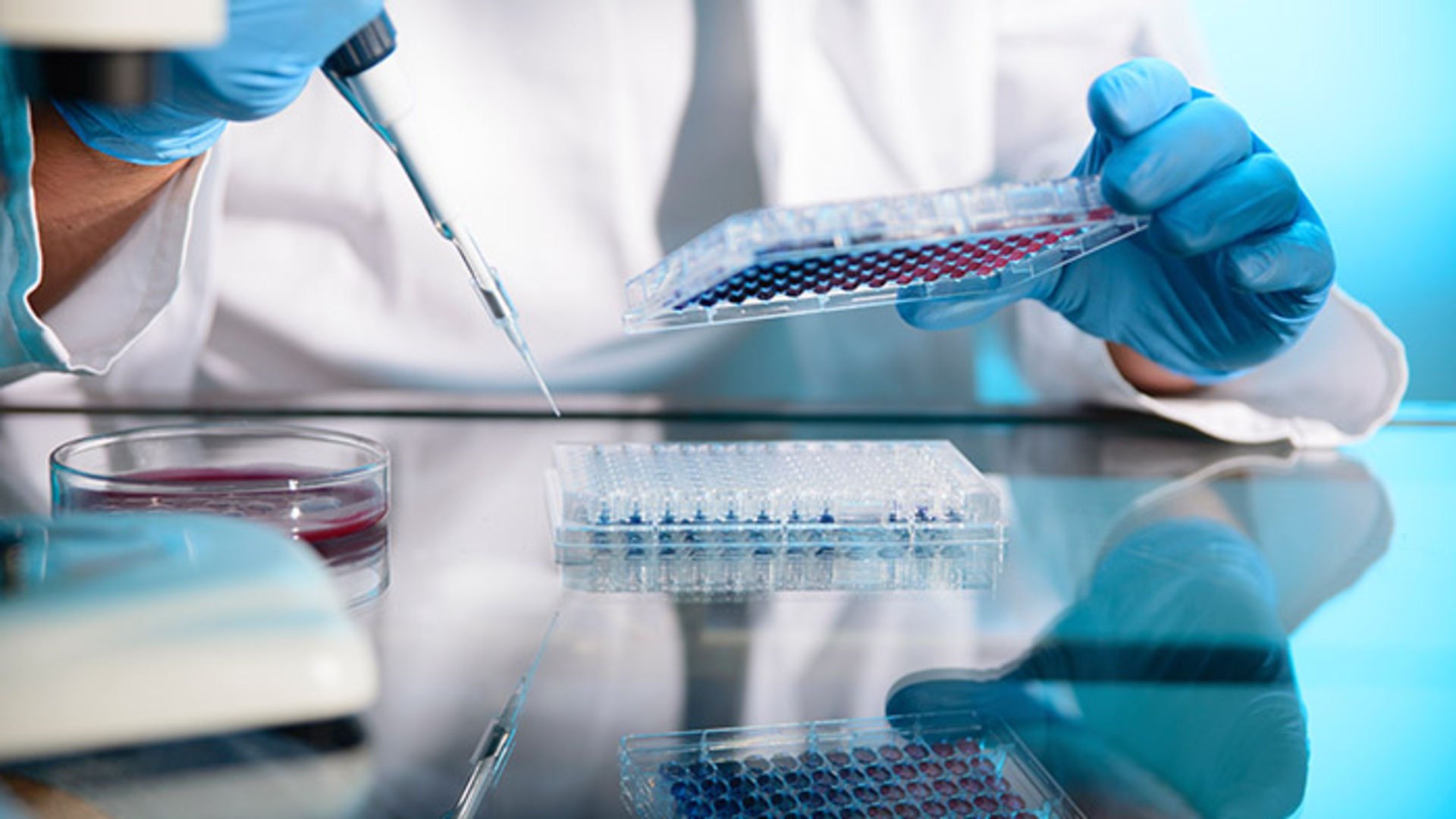
In vitro fertilization (IVF) is one of the most effective treatment methods for couples struggling with infertility today. However, IVF does not only increase the chances of pregnancy but also provides protection against genetic problems. At this point, PGT (Preimplantation Genetic Testing) plays a critical role by checking the genetic health of embryos and increasing the likelihood of a healthy pregnancy. Assoc. Prof. Dr. Nazlı Korkmaz is one of the specialists who successfully applies the PGT method in IVF processes, managing treatment with a personalized and safe approach.
What is PGT?
PGT is a test performed in IVF treatment that allows embryos to be genetically analyzed before being transferred into the uterus. Through this test:
-
Chromosomal abnormalities can be detected,
-
Genetic diseases can be identified in advance,
-
The selection of healthy embryos increases the success rate of pregnancy.
PGT is particularly recommended for couples with a history of recurrent miscarriages, advanced maternal age, or risk of genetic disorders. Dr. Nazlı Korkmaz evaluates the patient’s medical history to determine the necessity of PGT and provides guidance throughout the process.
Types and Purposes of PGT
PGT can be applied for different purposes and is classified into three main groups:
-
PGT-A (Aneuploidy Testing):
-
Detects numerical chromosomal abnormalities in embryos.
-
Recommended for women with recurrent miscarriages or poor egg quality due to advanced age.
-
-
PGT-M (Monogenic Disease Testing):
-
Screens for single-gene disorders.
-
Critical for couples with a family history of genetic diseases.
-
-
PGT-SR (Structural Rearrangement Testing):
-
Detects structural chromosomal abnormalities (such as translocations or deletions).
-
Suitable for couples who have experienced IVF failures due to genetic issues.
-
Each type of PGT is applied according to the patient’s specific needs, and the most appropriate method is selected under medical guidance.
How is PGT Performed?
The PGT process runs parallel to the standard stages of IVF treatment:
-
Egg retrieval and fertilization:
-
Eggs are collected from the woman and fertilized with sperm in the laboratory.
-
-
Embryo development:
-
The embryos develop in the laboratory for several days (typically 5–6 days).
-
Cell samples are taken from embryos that reach the blastocyst stage.
-
-
Genetic analysis:
-
The sampled cells are analyzed genetically in the laboratory.
-
Healthy and genetically normal embryos are selected.
-
-
Embryo transfer:
-
A healthy embryo is transferred into the uterus, initiating pregnancy.
-
Dr. Nazlı Korkmaz carefully manages this process, providing patients with detailed information at every stage to ensure both safety and success.
Advantages of PGT
The advantages of applying PGT in IVF include:
-
Reduces the risk of recurrent miscarriage,
-
Helps prevent genetic diseases before pregnancy,
-
Decreases the number of unsuccessful IVF attempts,
-
Increases pregnancy chances by transferring only healthy embryos.
These advantages are particularly important for couples of advanced maternal age, those with genetic risks, or those who have experienced failed IVF cycles.
Who is PGT Suitable For?
PGT is not mandatory for every couple. However, it is recommended in the following cases:
-
Women with a history of recurrent miscarriages,
-
Women over the age of 35,
-
Individuals with a family history of genetic diseases,
-
Couples with previous failed IVF attempts.
Dr. Nazlı Korkmaz evaluates each patient’s full medical history to determine whether PGT is necessary and plans the process individually.
PGT and Pregnancy Success
Studies show that IVF treatments with PGT significantly increase pregnancy rates. This is due to the selection of healthy embryos in advance and the prevention of transferring genetically abnormal embryos. As a result, early miscarriages and pregnancy losses caused by genetic abnormalities are minimized.
PGT and Recurrent Miscarriages
PGT is especially important for women with recurrent miscarriage history. In such cases, genetic abnormalities in embryos may often cause pregnancy loss. Thanks to PGT, unhealthy embryos are identified before transfer, reducing miscarriage risk. This approach provides couples with both time and emotional relief.
Dr. Nazlı Korkmaz recommends PGT for patients with recurrent miscarriage histories and closely monitors the process. Following detailed consultations, embryos are genetically analyzed, and only healthy embryos are selected. This method plays a crucial role in increasing IVF success rates.
Risks of PGT
Although PGT is considered a safe procedure, there are some risks:
-
Risk of harming the embryo (very rare),
-
Possibility of misinterpreting test results,
-
Additional costs and laboratory time required.
These risks can be minimized with an experienced clinical team. Dr. Nazlı Korkmaz explains the risks in detail to patients and takes necessary precautions during the PGT process.
Advanced Maternal Age and PGT
Maternal age directly affects IVF success. In women over 35, egg quality and embryo health may decline. PGT can detect chromosomal abnormalities in such cases, increasing pregnancy chances. Pre-selecting healthy embryos reduces the risk of miscarriage and genetic disorders.
Assoc. Prof. Dr. Nazlı Korkmaz emphasizes the importance of PGT for older patients and creates personalized treatment plans. By evaluating hormonal and genetic conditions, the most suitable embryos are selected. This both increases success rates and prevents unnecessary costs.
PGT and the Prevention of Single-Gene Disorders
PGT-M is a critical test for couples with a family history of single-gene disorders. With this test:
-
Transmission of hereditary diseases to the embryo is prevented,
-
Genetically healthy embryos are selected,
-
Risks before pregnancy are minimized.
This ensures a healthier pregnancy for both mother and baby.
Dr. Nazlı Korkmaz provides counseling to families at risk of single-gene disorders about PGT-M. The testing process and results are carefully evaluated, and patients receive safe, science-based guidance. Thus, the baby’s health is secured in advance.
PGT and Ethical Approach
Genetic screening applications involve certain ethical considerations. During embryo selection, only health status and genetic normality are taken into account. Assoc. Prof. Dr. Nazlı Korkmaz ensures that PGT is carried out in accordance with ethical and scientific standards, helping couples make informed decisions.
Genetic screening in IVF (PGT) is a modern approach that both increases the chance of having a healthy baby and minimizes genetic risks. It is particularly critical for couples with recurrent miscarriages, advanced maternal age, or a risk of genetic disorders. Dr. Nazlı Korkmaz expertly manages this process, maximizing success rates through personalized treatment plans.
With proper guidance and meticulous laboratory work, PGT is a safe and effective part of IVF treatment.