





What is an isthmocele? Isthmocele Treatment
Although becoming a mother is a special experience for every woman, sometimes undesirable events may occur depending on the type of birth. Although there are risks such as tearing in normal birth, contrary to popular belief, infection or scarring may occur during cesarean birth. These situations may cause frequent bleeding and infections. In addition, scar disease may prevent pregnancy or lead to miscarriage. If you do not want such complications to developisthmocele treatmentIt is beneficial to have it done.
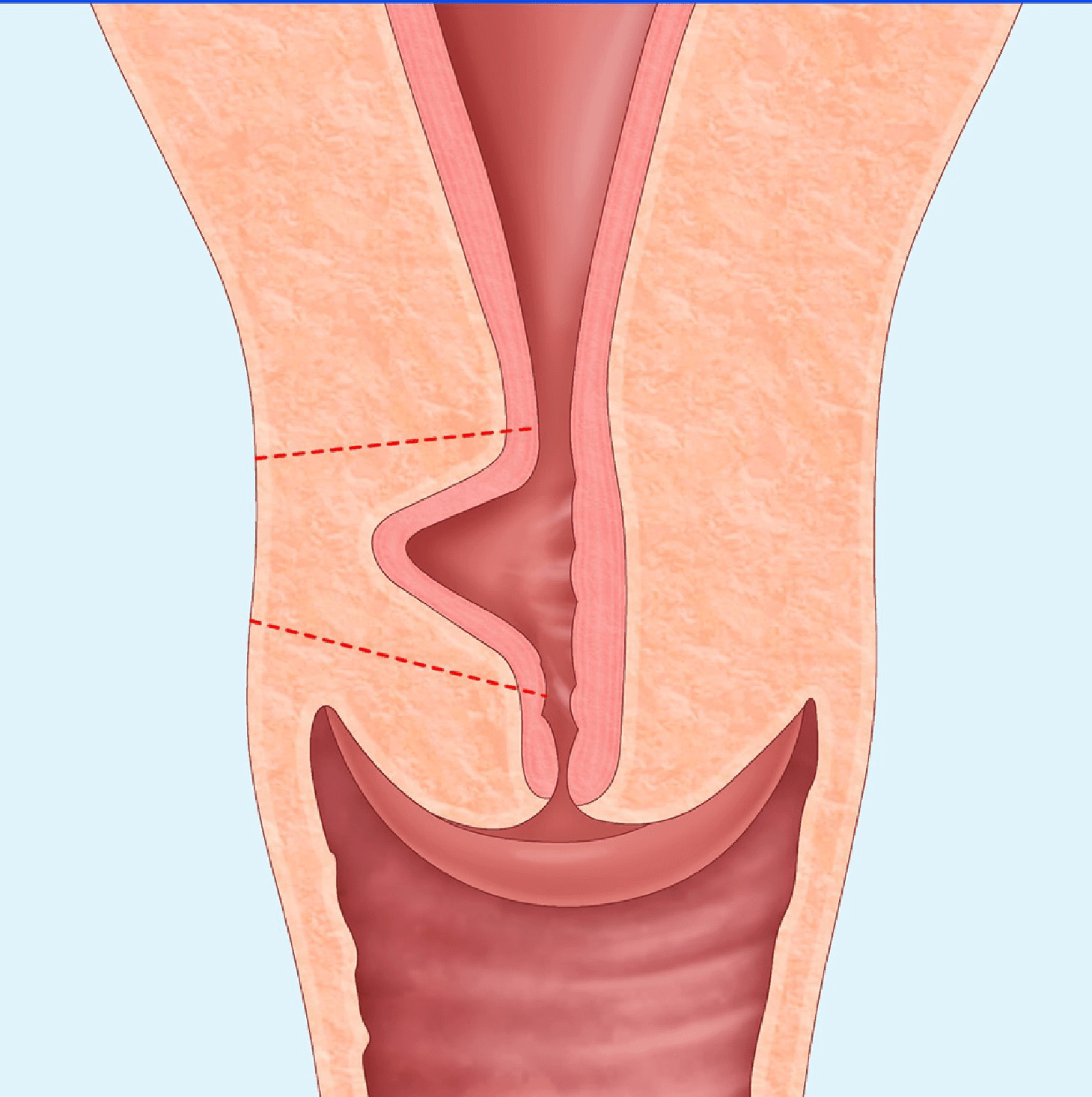
Tunneling occurs in the uterine tissue due to the incision not healing in the areas where the incision was made during cesarean section.isthmoceleis called. This condition may occur shortly or long after birth. Over time, menstrual blood accumulates in the tunneled area and causes many complaints. Isthmocele, which can cause brown, thick discharge and bleeding, causes infections, infertility and pain during sexual intercourse. It also causes infertility or goes further, endangering the life of the expectant mother.
Article Summary
Although becoming a mother is a special experience for every woman, sometimes undesirable events may occur depending on the type of birth.
What Will You Find in This Article?
- Isthmocele: What is it, is it dangerous and treatment options:This section explains basic information on the subject, the evaluation process and points to consider.
- What is an isthmocele?:This section explains basic information on the subject, the evaluation process and points to consider.
- Is isthmocele dangerous?:This section explains basic information on the subject, the evaluation process and points to consider.
- What Happens If Isthmocele Is Not Treated?:This section explains basic information on the subject, the evaluation process and points to consider.
Isthmocele: What is it, is it dangerous and treatment options
What is an isthmocele?
The isthmocele is a structure consisting of thin, smooth muscle tissue located between the cervix and the cervix. The isthmocele provides the anatomical and functional connection of the uterus and cervix and allows the passage of menstrual blood. In some cases, isthmocele can cause intrauterine adhesions and scar tissue formation.
In complaints about women's health, the diagnosis and treatment plan should be created by evaluating the duration of symptoms, examination findings and personal risk factors [1][2].
"What is Isthmocele? The right decision in the evaluation of Isthmocele Treatment is made by considering the complaints, examination findings, imaging results and fertility expectations together."
Is isthmocele dangerous?
The isthmocele is generally a harmless and natural structure. However, in some cases, an isthmocele can cause adhesion of tissues and organs within the uterus. This condition can lead to intrauterine adhesions and scar tissue, causing problems such as pelvic pain, irregular menstrual bleeding and infertility. Isthmocele is not considered dangerous, but it can cause problems for some women if left untreated.
Since the same symptom may be caused by different causes, the choice of treatment should be based on a holistic clinical evaluation, not on a single finding [2][3].
If you are wondering about the details regarding this subjectWhat is Laparoscopy?You can review our article.
What Happens If Isthmocele Is Not Treated?
When isthmocele is left untreated, it can sometimes lead to the following problems:
Follow-up plan; It should be individualized according to age, pregnancy expectation, previous treatments and comorbidities [1][3].
- pelvic pain
- Irregular menstrual bleeding
- Infertility (sterility)
- Intrauterine adhesions and scar tissue formation
Therefore, it is important for women experiencing isthmocele symptoms to consult a gynecologist or reproductive health professional.
Isthmocele Surgery
Isthmocele surgery is a surgical procedure that aims to eliminate adhesions and scar tissue within the uterus. This procedure is usually performed with a minimally invasive method called hysteroscopy. The hysteroscope is inserted into the uterus to view the tissues, and the surgeon removes adhesions and scar tissue. Isthmocele surgery can help relieve pelvic pain, restore menstrual bleeding, and solve infertility problems.
Severe pain, heavy bleeding, fever, foul-smelling discharge, or rapidly increasing complaints require specialist evaluation without delay [2].
To look at the issue from a broader perspectiveClosed Myoma SurgeryYou can review our article.
How to Suspect Isthmocele?
If the following complaints are present in people who have had a cesarean section at least once before, the presence of isthmocele is suspected. In addition, people with these complaintsisthmocele treatmentmust have it done. These complaints:
-
The presence of brown and dark (mud-like) discharge that lasts for a while after the menstrual period ends.
-
groin pain
-
A foul-smelling and dark colored discharge
-
Pregnancy despite contraception after cesarean section
If histocele is suspected after the person's complaints, a doctor should be consulted. Ultrasound will be sufficient for diagnosis. However, in some problems, a more detailed control is necessary. These:
-
sonohysterography
-
Hysterosalpingography (HSG)
-
hysteroscopy
-
MRI
Isthmocele Treatment
Scar treatments may include:
Nonprescription or Prescription Creams, Ointments, or Gels:
These products can be used to eliminate scars caused by cuts or C-section scars or wounds. If you are under the care of a doctor and your C-section scar is caused by cosmetic or plastic surgery, ask your doctor if over-the-counter treatment is an option. Treatments usually include steroids or some oral medications that are recommended for scars that cause itching and are very sensitive. Your doctor may also recommend pressure therapy or silicone gel coating to help treat cesarean section scars.
Surgical removal or treatment:
There are many options for treating deeper scars and cesarean scars, depending on your specific situation. These include skin grafts, dermabrasion or laser surgery. In a skin graft, the doctor uses skin from another part of your body. This is often used on people with burns. If you have a scar or cesarean section that impairs function, surgery may help resolve functional problems. If you have recently had a cesarean birth that caused scarring, it is necessary to wait at least a year before deciding on scar treatment. Many cesarean section scars fade and become less noticeable over time. Also otherbody aestheticsYou can review the transactions.
isthmocele treatmentIt is fast and quite simple. A camera is entered into the uterus to reduce tunneling in the area. The muscles that collect blood in the middle area of the uterus are cut. The tunneling area in this region is made flatter. In this way, the blood collected inside is prevented from accumulating. This operation takes between 45 and 50 minutes. The person can be discharged from the hospital on the day of the procedure. The recovery period takes approximately 1 to 2 weeks on average. If you want to speed up your recovery process, you should eat a balanced diet and avoid alcohol and cigarettes. Additionally, activities that require heavy movement should be avoided.
References
- [1] WHO - Women's health- Women's health and preventive health approach according to life periods.
- [2] ACOG - Clinical Guidance- Clinical guide archive in the field of gynecology and obstetrics.
- [3] NICE - Gynaecological conditions- Guidelines for the evaluation and treatment of gynecological diseases.