




What is Vulvar Vestibule Syndrome?
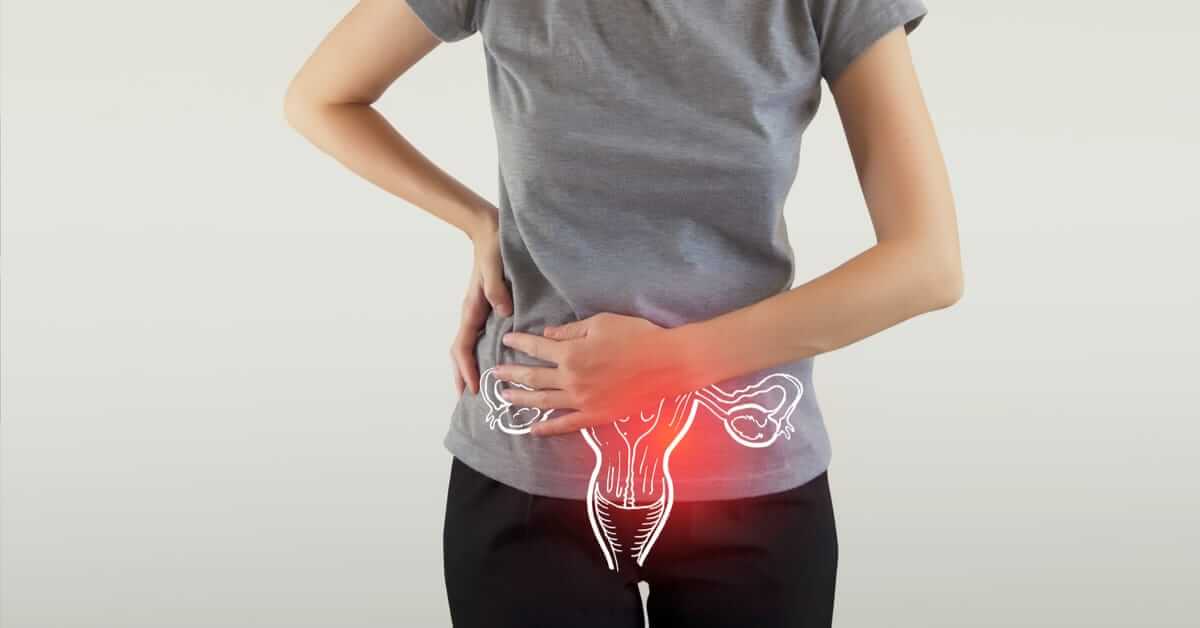
Vulvar Vestibulitis Syndrome (VVS) is a chronic condition that can significantly affect a woman’s quality of life, causing intense pain at the vaginal entrance. It typically presents with burning, stinging, or sharp pain, especially during sexual intercourse, tampon use, or gynecological examinations.
Assoc. Prof. Dr. Nazlı Korkmaz, with her expertise in women’s health and genital aesthetics, offers modern and reliable methods for diagnosing Vulvar Vestibulitis Syndrome and creating personalized treatment plans for patients.
What is Vulvar Vestibulitis Syndrome?
Vulvar Vestibulitis Syndrome is a chronic pain condition caused by hypersensitivity and inflammation in the vestibule area (vaginal entrance) of the vulva. This syndrome usually manifests as:
-
Burning and stinging at the vaginal entrance
-
Pain with touch or pressure
-
Severe discomfort during sexual intercourse
VVS can negatively affect a woman both physically and psychologically; therefore, early diagnosis and appropriate treatment are extremely important.
Symptoms of Vulvar Vestibulitis Syndrome
The most common symptoms of VVS are:
-
Pain during sexual intercourse (dyspareunia): Sharp, burning, or stinging pain at the vaginal entrance.
-
Discomfort during tampon use or gynecological examination: Pain triggered by pressure.
-
Sensitivity at the vaginal entrance: Pain even with light touch.
-
Chronic burning or stinging sensation: May cause discomfort even during daily activities.
-
Psychological effects: Chronic pain may lead to loss of sexual desire, anxiety, and depression.
Assoc. Prof. Dr. Nazlı Korkmaz thoroughly evaluates patients’ symptoms and provides personalized treatment plans to ensure both physical and psychological relief.
Causes of Vulvar Vestibulitis Syndrome
The exact cause of VVS is not fully understood, but several factors are thought to play a role:
-
Hormonal changes: Especially decreased estrogen levels can make the vaginal entrance more sensitive.
-
Chronic inflammation: Inflammation in the small glands or nerves at the vaginal entrance.
-
Genetic predisposition: Higher sensitivity observed in some women.
-
Infections or trauma: Previous vaginal infections or surgical interventions may trigger the condition.
-
Psychological stress: Stress and anxiety can intensify pain perception.
Vulvar Vestibulitis Syndrome is generally a multifactorial condition, and all these factors are considered during diagnosis.
The Role of Pelvic Floor Muscles
VVS is often associated with hypertonic pelvic floor muscles. When these muscles are overly tense, the nerves at the vaginal entrance are overstimulated, increasing pain perception. Physical therapy specialists and Assoc. Prof. Dr. Nazlı Korkmaz recommend special relaxation exercises to reduce this pain. Biofeedback and relaxation techniques play an important role in the treatment process.
Diagnosis of Vulvar Vestibulitis Syndrome
The diagnostic process begins with a detailed gynecological examination. The doctor will:
-
Determine the exact location and severity of the pain
-
Examine the vaginal entrance and vulvar tissues
-
Order microbiological tests and laboratory investigations if necessary
Assoc. Prof. Dr. Nazlı Korkmaz considers both physical findings and the patient’s medical history to achieve accurate and reliable results.
Vulvar Vestibulitis Syndrome and Sexual Life
VVS can seriously affect a woman’s sexual life. Pain and burning sensations can reduce the desire for intercourse and negatively impact partner relationships. Assoc. Prof. Dr. Nazlı Korkmaz not only provides medical treatment but also supports patients with sexual therapy and counseling to help protect their sexual health. Open communication and an informed approach increase both physical and emotional relief.
Vulvar Vestibulitis Syndrome and Hormonal Balance
Hormonal changes, especially decreases in estrogen, can thin and sensitize vulvar tissue. VVS symptoms may become more pronounced during menopause, postpartum, or certain hormonal treatments. Assoc. Prof. Dr. Nazlı Korkmaz develops personalized treatment plans with hormonal evaluation to reduce pain and support tissue health.
Treatment Methods
The goal of treating Vulvar Vestibulitis Syndrome is to reduce pain, relax vulvar tissue, and improve quality of life. Treatment methods may include:
-
Medical Treatment
-
Pain management with local anesthetic creams
-
Anti-inflammatory medications
-
Estrogen-containing vaginal creams to strengthen tissue
-
-
Physical Therapy and Pelvic Floor Exercises
-
Relaxation of pelvic floor muscles
-
Biofeedback and massage therapies
-
-
Surgical Intervention
-
Rarely, local tissue correction may be necessary in VVS cases.
-
Assoc. Prof. Dr. Nazlı Korkmaz aims to reduce pain using minimally invasive surgical techniques.
-
-
Psychological Support and Counseling
-
Counseling for chronic pain and sexual anxiety
-
Sex therapy to support sexual life
-
Life and Follow-Up After Treatment
Regular follow-up is essential even after VVS treatment. Pain may take time to fully resolve, and additional measures may be needed in some cases:
-
Avoid chemicals that can irritate the vaginal area
-
Practice stress management and relaxation techniques
-
Use lubricants and appropriate positions during intercourse
Assoc. Prof. Dr. Nazlı Korkmaz recommends regular check-ups after treatment to maintain quality of life and prevent symptom recurrence.
Prevention and Quality of Life with Vulvar Vestibulitis Syndrome
-
Lubricant use when pain occurs during sexual intercourse
-
Stress reduction methods and regular sleep
-
Vaginal hygiene and using suitable cotton underwear
-
Regular gynecological check-ups for early intervention
These measures help manage VVS symptoms and improve quality of life.
Vulvar Vestibulitis Syndrome affects both the physical and psychological health of women. With early diagnosis, proper treatment, and lifestyle adjustments, symptoms can be controlled. Assoc. Prof. Dr. Nazlı Korkmaz provides her patients with safe treatment plans tailored to the individual using modern methods.
Frequently Asked Questions (FAQ)
1. Does Vulvar Vestibulitis Syndrome only cause pain during intercourse?
No, some women may experience mild burning or stinging even during daily activities. The pain usually increases during intercourse or with pressure.
2. Is VVS a permanent condition?
VVS can be chronic, but with proper treatment and lifestyle adjustments, symptoms can largely be managed.
3. Is surgery always necessary in VVS treatment?
Most cases can be managed with medical and physical therapy. Surgery is rarely considered when other methods are insufficient.