





What is Vulvar Vestibulitis Syndrome?
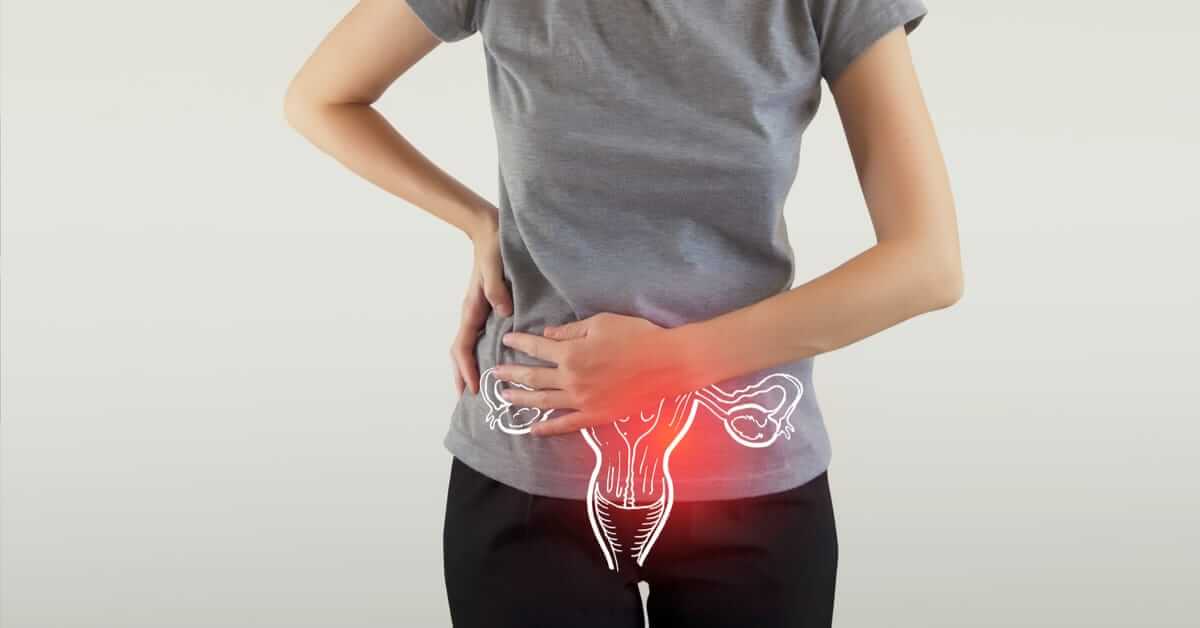
Vulvar Vestibulitis Syndrome (VVS) is a chronic condition that causes intense pain at the entrance to the vagina, which can seriously affect women's quality of life. It manifests itself with burning, stinging or sharp pain, especially during sexual intercourse, use of tampons or gynecological examination.
Op. Dr. With her expertise in women's health and genital aesthetics, Nazlı Korkmaz offers modern and reliable methods for diagnosing Vulvar Vestibulitis Syndrome and creating patient-specific treatment plans.
Article Summary
Vulvar Vestibulitis Syndrome (VVS) is a chronic condition that causes intense pain at the entrance to the vagina, which can seriously affect women's quality of life.
What Will You Find in This Article?
- Vulvar Vestibulitis Syndrome Symptoms:This section explains basic information on the subject, the evaluation process and points to consider.
- Causes of Vulvar Vestibulitis Syndrome:This section explains basic information on the subject, the evaluation process and points to consider.
- Role of Pelvic Floor Muscles:This section explains basic information on the subject, the evaluation process and points to consider.
- Vulvar Vestibulitis Syndrome Diagnosis:This section explains basic information on the subject, the evaluation process and points to consider.
What is Vulvar Vestibulitis Syndrome?
Vulvar Vestibulitis Syndrome is a chronic pain condition caused by hypersensitivity and inflammation in the vestibule area at the entrance to the vulva (the entrance to the vagina). This syndrome usually:
In complaints about women's health, the diagnosis and treatment plan should be created by evaluating the duration of symptoms, examination findings and personal risk factors [1][2].
“The goal in deciding what is Vulvar Vestibulitis Syndrome is not only appearance, but also to evaluate comfort, function, safety and the person's expectations together.”
-
Burning and stinging at the entrance of the vagina
-
Pain with touch or pressure
-
Severe discomfort during sexual intercourse
It manifests itself with symptoms such as:
VVS can negatively impact a woman's life, physically and psychologically; Therefore, early diagnosis and appropriate treatment are extremely important.
Vulvar Vestibulitis Syndrome Symptoms
The most common symptoms of VVS are:
Since the same symptom may be caused by different causes, the choice of treatment should be based on a holistic clinical evaluation, not on a single finding [2][3].
If you are wondering about the details regarding this subject10 Things to Know About Genital AestheticsYou can review our article.
-
Pain during sexual intercourse (dyspareunia): Sharp, burning or stinging pain at the entrance to the vagina.
-
Discomfort during tampon or gynecological examination: Pain triggered by pressure.
-
Tenderness at the entrance to the vagina: Feeling of pain even with light touches.
-
Chronic burning or stinging sensation: It may also cause discomfort in daily activities.
-
Psychological effects: Lack of sexual reluctance, anxiety and depression may occur due to chronic pain.
Op. Dr. Nazlı Korkmaz evaluates patients' symptoms in detail and provides both physical and psychological relief with personalized treatment plans.
Causes of Vulvar Vestibulitis Syndrome
Although the exact cause of VVS is not fully known, some factors are thought to play a role:
Follow-up plan; It should be individualized according to age, pregnancy expectation, previous treatments and comorbidities [1][3].
To look at the issue from a broader perspectiveLabioplasty PricesYou can review our article.
-
hormonal changes: Especially the decrease in estrogen levels can make the vaginal entrance more sensitive.
-
chronic inflammation: Inflammation of small glands or nerves at the entrance to the vagina.
-
genetic predisposition: Higher sensitivity may be observed in some women.
-
Infections or traumas: It may be triggered by previous vaginal infections or surgical interventions.
-
psychological stress: Stress and anxiety can increase the feeling of pain.
Vulvar Vestibulitis Syndrome is usuallymultifactorialIt is a condition and all of these factors are evaluated when making a diagnosis.
The Role of Pelvic Floor Muscles
Vulvar Vestibulitis Syndrome is often associated with excessive tension of the pelvic floor muscles. When these muscles contract excessively, the nerves at the entrance to the vagina become more stimulated and the feeling of pain increases. Physical therapists and Op. Dr. Nazlı Korkmaz helps reduce pain by recommending special exercises to relax the pelvic floor muscles. Bio-feedback and relaxation techniques have an important place in the treatment process.
Severe pain, heavy bleeding, fever, foul-smelling discharge, or rapidly increasing complaints require specialist evaluation without delay [2].
Diagnosis of Vulvar Vestibulitis Syndrome
The diagnostic process begins with a detailed gynecological examination. Doctor:
-
Determines the exact location and severity of pain
-
Examines the vaginal entrance and vulva tissues
-
Performs microbiological tests and laboratory examinations if necessary
Op. Dr. Nazlı Korkmaz obtains accurate and reliable results by taking into account both the physical findings and the patient's symptom history during the diagnosis process.
Vulvar Vestibulitis Syndrome and Sexual Life
Vulvar Vestibulitis Syndrome can seriously affect women's sexual lives. Pain and burning sensations can reduce the desire to have sexual intercourse, which can also affect partner relationships. Op. Dr. Nazlı Korkmaz not only offers medical treatment to her patients; It also provides support for the preservation of sexual life through sexual therapy and counseling. Regular communication and a conscious approach increases both physical and emotional relaxation.
Vulvar Vestibulitis Syndrome and Hormonal Balance
Hormonal changes, especially declines in estrogen levels, can cause vulvar tissue to become thinner and more sensitive. VVS symptoms may become more pronounced during menopause, the postpartum period, or some hormonal treatments. Op. Dr. Nazlı Korkmaz creates personalized treatment plans along with hormonal evaluations, reducing pain and supporting the health of the tissue.
Treatment Methods
The aim of treating Vulvar Vestibulitis Syndrome is to reduce pain, relieve vulvar tissue and improve quality of life. Treatment methods may include:
-
Medical Treatment
-
Pain management with local anesthetic creams
-
Anti-inflammatory drugs
-
Strengthening tissue with vaginal creams containing estrogen
-
-
Physical Therapy and Pelvic Floor Exercises
-
Relaxing the pelvic floor muscles
-
Bio-feedback and massage therapies
-
-
Surgical intervention
-
In rare cases of VVS, surgical correction of local tissue may be required.
-
Op. Dr. Nazlı Korkmaz aims to reduce patients' pain with minimally invasive surgical methods.
-
-
Psychological Support and Counseling
-
Counseling for chronic pain and sexual intercourse concerns
-
Supporting sexual life with sexual therapy
-
Post-Treatment Life and Follow-Up
Regular follow-up is also important after VVS treatment. It may take time for the pain to completely disappear, and in some cases additional measures may be required for treatment:
-
avoiding chemicals that can irritate the vaginal area
-
Applying stress management and relaxation techniques
-
Choosing lubricants and correct positions during sexual intercourse
Op. Dr. Nazlı Korkmaz recommends regular check-ups to maintain patients' quality of life after treatment and to prevent recurrence of symptoms.
Prevention and Quality of Life from Vulvar Vestibulitis Syndrome
-
When pain is felt during sexual intercourselubricant use
-
Methods to reduce stress and regular sleep
-
Vaginal hygiene and choosing appropriate cotton underwear
-
Early intervention with regular gynecological check-ups
These measures help manage VVS symptoms and improve quality of life.
Vulvar Vestibulitis Syndrome is a condition that affects both the physical and psychological health of women. Symptoms can be controlled with early diagnosis, correct treatment and lifestyle adjustments. Op. Dr. Nazlı Korkmaz offers her patients a safe treatment process with personalized treatment plans and modern methods.
Frequently Asked Questions (FAQ)
1. Does Vulvar Vestibulitis Syndrome cause pain only during sexual intercourse?
No, some women may experience a slight burning or stinging sensation even during daily activities. Pain often increases with sexual intercourse or pressure.
2. Is VVS a permanent disease?
VVS can be a chronic condition, but with the right treatment and lifestyle measures, symptoms can be largely controlled.
3. Is surgery necessary in the treatment of VVS?
Most cases can be managed with medical treatment and physical therapy. Surgery is rarely applied when other methods are inadequate.
References
- [1] WHO - Women's health- Women's health and preventive health approach according to life periods.
- [2] ACOG - Clinical Guidance- Clinical guide archive in the field of gynecology and obstetrics.
- [3] NICE - Gynaecological conditions- Guidelines for the evaluation and treatment of gynecological diseases.