





Closed Myoma Surgery
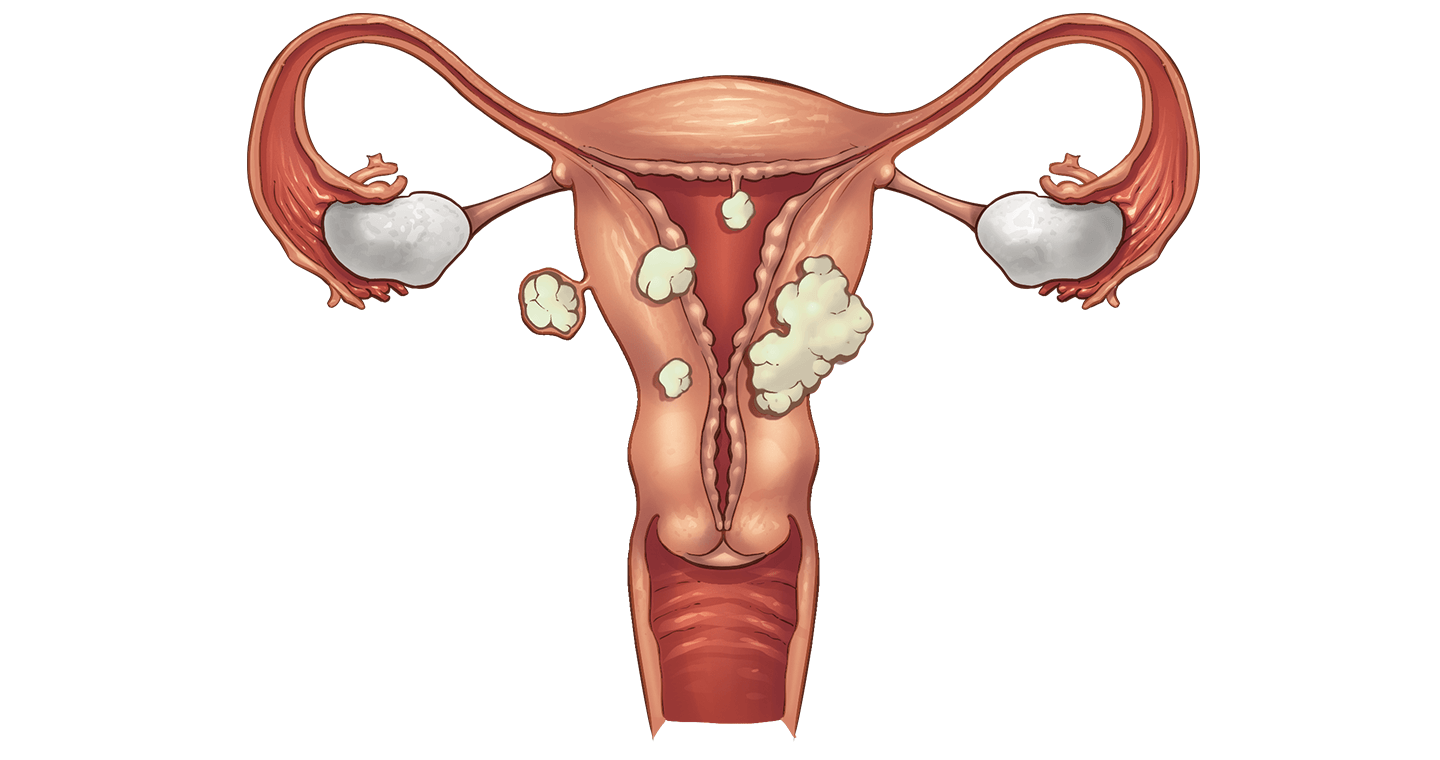
Closed myoma surgeryIt is a treatment method based on the surgical removal of myomas. This surgery method is frequently preferred because it offers fewer wounds, shorter recovery time and less pain than open surgical operations. This procedure is usually performed laparoscopically.laparoscopic surgeryIt allows surgical intervention to be performed with smaller openings, thus less wound healing and pain.
During closed myoma surgery, the doctor removes the fibroids with surgical tools and repairs the uterine tissue. After surgery, the patient is usually discharged within 24 hours. Recovery time is usually 2-4 weeks and it is important to follow the instructions given by your doctor.
Article Summary
Closed myoma surgery is a treatment method based on the surgical removal of myomas.
What Will You Find in This Article?
- How Many Hours Does Uterine Myoma Surgery Take?:This section explains basic information on the subject, the evaluation process and points to consider.
- Things to Consider After Closed Myoma Surgery:This section explains basic information on the subject, the evaluation process and points to consider.
- Differences Between Open Myoma Surgery and Closed Myoma Surgery:This section explains basic information on the subject, the evaluation process and points to consider.
- Laparoscopic Myoma Surgery Prices:This section explains basic information on the subject, the evaluation process and points to consider.
How Many Hours Does Uterine Myoma Surgery Take?
The duration of uterine myoma surgery may vary depending on the size, number and location of the myomas. Laparoscopic myoma surgery usually takes between 2-4 hours, but it may take longer if larger or multiple myomas need to be removed. Myoma surgeries performed with open surgery may take longer.
When planning gynecological surgery, complaints, examination findings, imaging results and the patient's pregnancy expectation should be evaluated together [1][3].
“The right decision in the evaluation of Closed Myoma Surgery is made by considering the complaints, examination findings, imaging results and fertility expectations together.”
Additionally, surgery time may vary depending on which surgical method is used and the experience of the surgeon. Therefore, you should talk to your doctor for more detailed information about surgery duration.
Things to Consider After Closed Myoma Surgery
There are some important issues that need to be taken into consideration after closed myoma surgery. Generally, some complaints and health problems that occur after surgery arise due to not paying attention to important issues that need to be taken into consideration.
Minimally invasive approaches may not be suitable for every patient; The decision to operate should be made according to the type of disease, its extent, and the goals of surgery [1][2].
If you are wondering about the details regarding this subjectWhat is Laparoscopy?You can review our article.
Comments of those who had myoma surgeryConsidering this, it is possible to see that serious problems arise especially when these issues are not paid enough attention.
Especially during this process, patients must act in accordance with all the details given to them by the doctor and stay away from situations that are recommended not to be done for a while.
Things to consider after closed myoma surgery generally include weight control, physical activity, recovery period, urinary tract infections, pregnancy or bleeding, and follow-up checks.
It is quite normal to experience pain, swelling and bruising during the recovery period after closed myoma surgery, which usually takes 2 to 4 weeks.
At the same time, painkillers prescribed by the doctor for pain control after the procedure should be used in the recommended amount and duration. Although there is no stitching involved in this process, physical activities should be limited for 2 to 4 weeks after the procedure is completed.
The risk of urinary tract infections after the procedure is quite high. For this reason, after the procedure is completed, people should clean their urinary tract regularly and take the medications and practices recommended by the doctor regularly to prevent possible infections.
After closed myoma surgery, your chance of pregnancy returns to normal. However, it is necessary to plan pregnancy by consulting with a doctor and postpone it for a while if the doctor does not recommend it.
After the procedure is completed, it is very important to perform routine checks regularly and attend the examination days given by the doctor to determine the possibility of renewal.
Finally, although it is considered normal to experience bleeding after the procedure, if excessive bleeding occurs, the doctor must be notified.
Differences Between Open Myoma Surgery and Closed Myoma Surgery
Differences between open myoma surgery and closed myoma surgeryIt is among the topics that people frequently research, especially for transaction preferences. In theory, there are serious differences between them since one is performed through an incision and the other is applied with a special device.
Preoperative preparation should take into account the risk of bleeding, risk of infection, medications used, and anesthesia evaluation [2][3].
To look at the issue from a broader perspectiveUterine Preserving Myoma SurgeryYou can review our article.
At this point, the differences between the 2 processes are compared according to some major categories. We can list these categories as follows;
- Surgical intervention
- recovery time
- Pain and swelling
- wounds
- possibility of pregnancy
Open myoma surgery requires opening the uterus and manually removing the fibroids. Closed myoma surgery is performed by laparoscopic method and allows the surgical intervention to be performed with smaller openings.
Open myoma surgery requires a longer recovery period. Laparoscopic myoma surgery has a shorter recovery time.
After open myoma surgery, more pain and swelling may occur. These effects are less after laparoscopic myoma surgery.
After open myoma surgery, larger and more visible scars occur. After laparoscopic myoma surgery, the wounds are smaller and invisible.
After open myoma surgery, the chance of future pregnancy may be affected due to further damage to the uterine tissue. After laparoscopic myoma surgery, the chances of future pregnancy are less affected due to less damage to the uterine tissue.
Laparoscopic Myoma Surgery Prices
Closed myoma surgery pricesmay vary depending on several factors, such as the location of the surgery, the experience of the surgeon, and the type of hospital where the surgery is performed.Laparoscopic myoma surgery pricesIt is important to note that it can vary greatly and it is best to consult a healthcare professional for a more accurate estimate.
Postoperative follow-up; It should be planned in terms of pain, fever, bleeding, wound healing and the process of returning to daily life [1].
Especiallylaparoscopic myoma surgery pricesIt is possible to obtain the most detailed information about the procedure as a result of interviews with the center where the procedure will be performed and the doctor who will perform the procedure.
References
- [1] ACOG - Clinical Guidance: Gynecology- Clinical guide archive for gynecological surgery and women's health practices.
- [2] RCOG - Patient information- Resource archive for gynecological diseases, surgeries and patient information.
- [3] NICE - Conditions and diseases: Gynaecology- Guidelines for the evaluation and treatment of gynecological diseases.