





Frozen Embryo Transfer in IVF
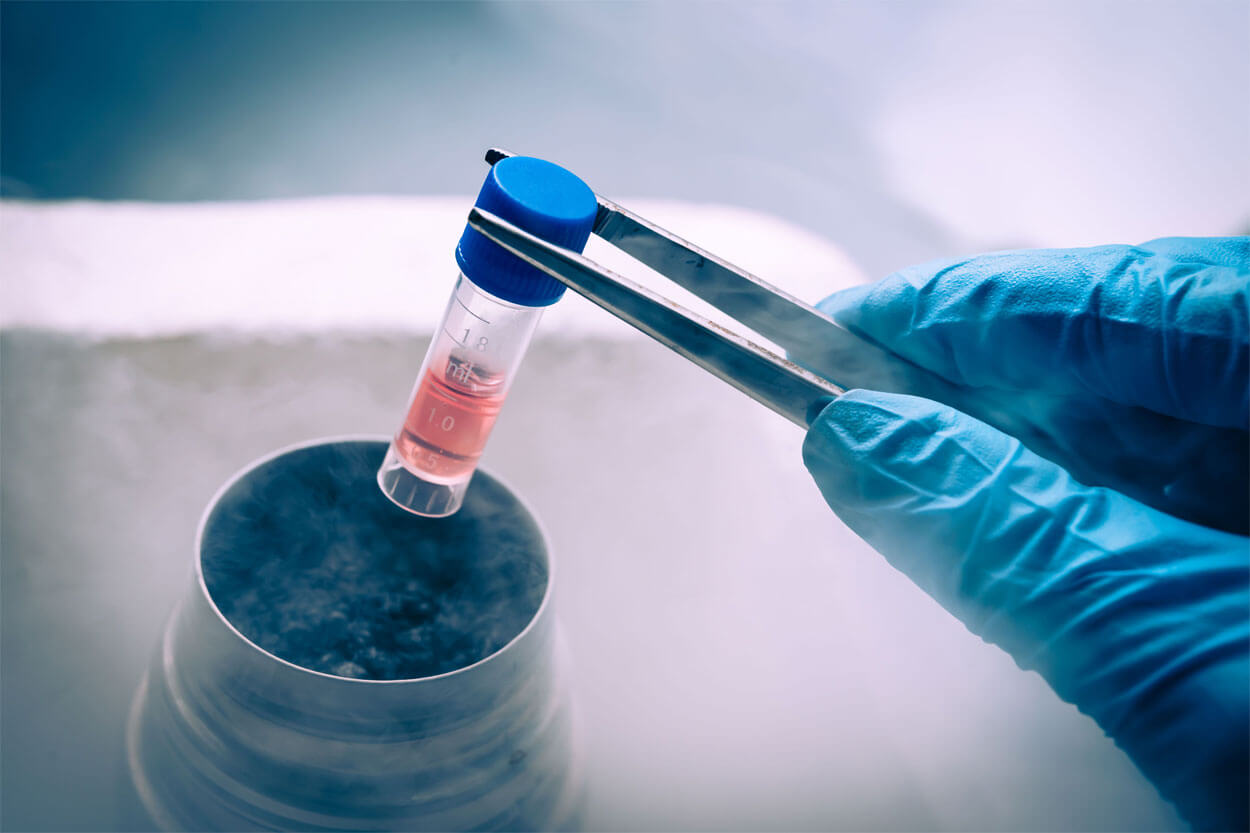
It is not necessary for each embryo created in in vitro fertilization treatment to be transferred to the uterus in the same treatment cycle. Suitable embryos can be frozen and stored in a laboratory environment using special methods, and can be thawed and transferred into the uterus at a suitable time for pregnancy. This processfrozen embryo transferor called FET (Frozen Embryo Transfer).
Istanbul frozen embryo transferWhen planning, it is not enough for the embryo to be ready. The inner layer of the uterus must be prepared to accept the embryo, and the day of development of the embryo and the hormonal timing of the uterus must be harmonized. Assoc. Dr. In the process planned by Nazlı Korkmaz, menstrual cycle, ovulation status, previous in vitro fertilization treatments, embryo development stage and intrauterine characteristics are evaluated together.
What is Frozen Embryo Transfer?
Frozen embryo transfer is the thawing of the embryo previously created during in vitro fertilization treatment and stored by cryopreservation method, at the appropriate time and placing it into the uterus. Nowadays, embryo freezing mostlyvitrificationThe so-called rapid freezing method is used.
Before the embryo is transferred, it is thawed in a controlled manner in the laboratory and its developmental characteristics are evaluated. The appropriate embryo is placed into the uterus with the help of a thin catheter on the day when the inner layer of the uterus is ready for transfer.
Article summary
In frozen embryo transfer, the previously created and stored embryo is thawed and transferred after the inner layer of the uterus is made suitable for pregnancy. Uterus preparation can be done through the natural ovulation cycle or by using hormone medications. Which method to choose is determined by the individual.
What Will You Find in This Article?
- Why is the Embryo Frozen?:Reasons for using embryos at a later stage in in vitro fertilization treatment.
- How is the Uterus Prepared?:Differences between the natural cycle and the hormone-prepared transfer cycle.
- What Happens on Transfer Day?:The process from the thawing of the embryo to its release into the uterus.
- After Transfer:Basic information about medication use, daily life and pregnancy test timing.
Why Are Embryos Freezed?
In in vitro fertilization treatment, more than one suitable embryo may develop after the egg collection process. Transferring all embryos at the same time is not necessary and may increase the risk of multiple pregnancy. Suitable embryos that are not transferred can be frozen for future use.
In some treatments, it may be planned not to transfer fresh embryos from the first stage and to freeze all suitable embryos. This approach is called “freeze-all”.
- Availability of additional embryos that can be used after transfer,
- High risk of overstimulation of the ovaries,
- The inner layer of the uterus is not considered suitable for fresh transfer,
- Genetic examination will be performed on the embryo,
- There must be no problem in the uterus that needs to be treated before the transfer1,
- In cases where the transfer is postponed to a later date due to medical or personal reasons, embryo freezing may be on the agenda.
To examine all stages of egg collection, fertilization, embryo development and transfer0Istanbul In Vitro Fertilization TreatmentYou can review our page.
What is the Difference Between Fresh Embryo Transfer and Frozen Embryo Transfer?
In fresh embryo transfer, the embryo is transferred to the uterus within the same treatment cycle in which egg collection and fertilization occur. In frozen embryo transfer, the embryo is first stored and the transfer is performed in another menstrual cycle.
The important difference of frozen transfer is that there is no need to re-intensively stimulate the ovaries or re-collect eggs. The main goal at this stage is to prepare the inner layer of the uterus for the day when the embryo will be transferred.
How to Prepare the Uterus for Frozen Embryo Transfer?
The inner layer of the uterus, that is, the endometrium, must be brought to the hormonal period in which the embryo can settle. There is no single method that applies to everyone. Transfer preparation for a woman with regular ovulation and for a woman with irregular menstruation may be planned differently.
In suitable patients with regular ovulation, the person's own natural cycle is followed. Ovulation time is determined by ultrasound and, when necessary, hormone measurements. Embryo transfer is planned to be compatible with natural progesterone production.
The inner layer of the uterus is prepared with medications containing estrogen and then progesterone. A transfer schedule that is less dependent on ovulation monitoring can be created. The timing of medications is arranged in accordance with the development date of the embryo.
Both natural and hormone-primed transfer cycles are used in clinical practice. Which protocol to choose is determined by menstrual cycle, ovulation status, previous transfer experiences, development of the inner layer of the uterus and medical characteristics of the person.
How Does the Frozen Embryo Transfer Process Work?
Frozen embryo transfer proceeds differently from the classical in vitro fertilization cycle because it does not involve egg collection. The main goal of the process is to ensure the correct timing between the embryo and the endometrium.
At the beginning of the transfer cycle, ultrasound and, if necessary, hormone tests may be performed.
Natural ovulation is monitored or endometrium development is supported with estrogen-containing drugs.
The day of ovulation or the start of progesterone is matched to the developmental stage of the embryo.
The frozen embryo is heated in a controlled manner in the laboratory and evaluated for transfer.
First, the embryo is deposited into the appropriate area in the uterine cavity using a thin transfer catheter.
The implantation result is evaluated by performing a beta-hCG test in the blood on the date specified by the doctor.
How is Embryo Thawing Done?
Embryos are kept under special storage conditions at very low temperatures. When transfer is planned, the embryo is grown in the laboratory with a controlled vitrification-warming protocol. The cellular integrity and developmental characteristics of the embryo are evaluated by the embryology team.
With modern vitrification techniques, the survival rates of embryos after thawing are high. However, since there is no 100% guarantee in any biological procedure, rarely the embryo may not be suitable for transfer after thawing.
On Which Day is Frozen Embryo Transfer Done?
The transfer date is not fixed. The day at which the embryo was frozen and how long the uterine inner layer was exposed to progesterone are evaluated together. Especially in blastocyst transfers, the timing between progesterone initiation and the transfer day is important.
For this reason, the transfer day or medication schedule given to another patient should not be used in the person's own treatment. Assoc. Dr. In frozen embryo transfers planned by Nazlı Korkmaz, embryo development day and endometrium preparation are taken into consideration together.
What is Blastocyst Frozen Embryo Transfer?
Embryos that usually develop until the fifth or sixth day after fertilization are called blastocysts. Suitable blastocysts can be frozen and used in later transfers.
At the blastocyst stage, the developmental characteristics of the embryo can be evaluated in more detail. However, not every embryo is expected to reach the blastocyst stage, and the stage at which the embryo will be frozen is determined according to the individual treatment process.
Why are PGT Embryos frozen?
In preimplantation genetic testing applications, a small cell sample is taken from the embryo at the blastocyst stage. While waiting for the genetic laboratory results, the embryo is frozen using the vitrification method.
After the results are available, the embryo deemed suitable for transfer can be thawed and transferred in another menstrual cycle. HoweverPGT is not routinely required in every IVF patient.The decision for genetic testing should be made based on factors such as age, risk of genetic disease, number of embryos and previous reproductive history.
If you are wondering about the genetic examination process in embryosGenetic Screening (PGT) in In Vitro FertilizationYou can review our article.
Is Frozen Embryo Transfer Painful?
Embryo transfer is generally a short procedure that does not require anesthesia. Mild discomfort or pressure may be felt during insertion of the speculum and passage of the transfer catheter through the cervix.
After the transfer, slight groin tenderness or very little spotting may occur. Severe pain or intense bleeding should not be considered as a routine finding and a doctor should be consulted.
Does the bladder need to be full on the day of transfer?
If embryo transfer will be performed under ultrasound guidance, the bladder may be required to be filled to a certain extent in order to facilitate visualization of the uterus and transfer catheter. However, the method of preparation may vary depending on the clinic's practice and the anatomical characteristics of the patient.
For this reason, how much water to drink and when to go to the toilet before the transfer should be determined according to the recommendation of the treatment team.
“One of the main points of success in frozen embryo transfer is not only having a good embryo, but also meeting the embryo and the inner layer of the uterus at the right time.”
What Should Be Done After Frozen Embryo Transfer?
It is usually not necessary to stay in bed for a long time after the transfer. Patients can usually return to their daily lives after a short rest. However, it may be appropriate to avoid heavy physical activity, medication not recommended by the doctor, and excessively strenuous exercises.
One of the most important issues is to continue the prescribed progesterone and other drugs at the recommended doses and hours. It is not right to stop taking medications at one's own discretion without getting the pregnancy test result.
Does Walking After Transfer Harm the Embryo?
No. After the embryo transfer, it does not "fall out" from the uterus due to walking, climbing stairs or going to the toilet. It is not possible for normal daily movements to remove the embryo from the uterus.
However, in cases where the person does not feel well or a special restriction is recommended by the doctor, individual recommendations should be followed.
Should There Be Symptoms After Embryo Transfer?
No. Not experiencing any symptoms after the transfer does not mean that the treatment has failed. Similarly, breast tenderness, groin pain, bloating or light spotting do not definitely indicate pregnancy.
Progesterone and estrogen drugs used may cause complaints similar to early pregnancy symptoms. Therefore, instead of interpreting the result according to symptoms, beta-hCG test should be performed on the planned date.
When is a Pregnancy Test Done After Frozen Embryo Transfer?
The pregnancy test is performed on the date determined according to the development stage of the transferred embryo and the treatment plan of the clinic. In that case, a blood beta-hCG test can be planned within approximately 9-14 days after the transfer.
Home urine tests performed too early may give false negative results. For this reason, Assoc. Dr. It would be better to wait for the test date specified by Nazlı Korkmaz and evaluate the result with a blood test.
What Affects Success in Frozen Embryo Transfer?
No single factor determines the outcome of frozen embryo transfer. Characteristics of the embryo, uterus and patient factors play a role together.
- Female age at the time the eggs were collected,
- Developmental stage and biological potential of the embryo,
- Genetic structure of the embryo,
- The structure of the uterine cavity,
- Characteristics of the endometrium in the transfer cycle,
- Progesterone and transfer timing,
- The state of the embryo after thawing,
- Previous pregnancy and in vitro fertilization history,
- Embryo transfer technique may affect the likelihood of success.
Especially the egg age at the time the embryo is created is important. Even though the woman's age is advanced during the transfer of an embryo created years ago, the genetic characteristics of the embryo are related to the age at the time the egg was collected.
Is Frozen Embryo Lower Quality Than Fresh Embryo?
No. Just because the embryo is frozen does not mean that it is of poor quality. Modern vitrification methods ensure that embryos retain their viability at a high rate during the freezing and thawing process.
Embryo quality; It is related to developmental characteristics, cellular structure and biological potential. Whether it is fresh or frozen does not alone determine the possibility of pregnancy.
How Long Can a Frozen Embryo Be Kept?
Embryos can be stored for a long time under appropriate cryogenic conditions. However, the storage period of embryos is not only related to biological conditions, but also to the country's legislation on assisted reproductive techniques, storage approvals and the arrangements made by the couple with the clinic.
Up-to-date information about the storage period and necessary approval procedures should be obtained from the center where the treatment is administered.
Is a Single Embryo Transferred in Frozen Embryo Transfer?
The number of embryos to be transferred should be determined by taking into account the risk of multiple pregnancy as well as the chance of pregnancy. Single embryo transfer in suitable patients is an important approach that aims to achieve a safe singleton pregnancy.
The number of embryos is decided by taking into account the woman's age, embryo development characteristics, PGT result, previous treatments and relevant legal regulations. Transferring more embryos does not necessarily mean a better outcome and may increase the risk of twin or higher multiple pregnancies.
Can Frozen Embryo Transfer Be Cancelled?
Yes. A cycle prepared for transfer may be postponed or canceled in some cases. This does not mean that the embryo is lost; Frozen embryos can continue to be stored under appropriate storage conditions.
A different cycle can be planned in cases such as if the endometrium does not develop as expected, unexpected ovulation, a problem in hormone timing, a new problem is detected in the uterus, or the patient is not medically suitable for transfer.
How to Plan Istanbul Frozen Embryo Transfer?
Istanbul frozen embryo transferIn patients applying for surgery, the number of previously created embryos, developmental days and embryology records are first evaluated. Then, the uterus and endometrium are examined with ultrasound and it is decided whether the natural or drug-prepared transfer cycle is more suitable.
Assoc. Dr. In the process planned with Nazl1 Korkmaz, the goal is not only to determine the transfer day; The aim is to harmonize the developmental stage of the embryo, progesterone exposure and the timing of the uterine inner layer. If there are previous failed transfers or additional gynecological problems, the treatment program can be personalized accordingly.
Frequently Asked Questions About Frozen Embryo Transfer
Are eggs collected again during frozen embryo transfer?
No. If a previously frozen suitable embryo is available, ovarian stimulation and egg collection do not need to be performed again in the transfer cycle. It mainly focuses on the preparation of the inner layer of the uterus.
Can a frozen embryo be damaged while thawing?
In modern vitrification methods, the survival rate of embryos after thawing is high. However, no biological procedure is 100% guaranteed and in rare cases the embryo may not be suitable for transfer.
Is it necessary to have a menstrual period for frozen embryo transfer?
The beginning of transfer preparation is usually planned according to the menstrual cycle. However, the treatment program can be personalized in patients with irregular menstrual cycles or those who will undergo a hormone-prepared cycle.
Is natural cycle or medicated transfer more successful?
It cannot be said that one method is definitely more successful for every patient. While the natural cycle can be used in suitable patients with regular ovulation, the hormone-prepared cycle can be preferred in patients where timing control is required or who have ovulation problems.
Why is progesterone used in frozen embryo transfer?
Progesterone is one of the main hormones that prepares the inner layer of the uterus for the period when the embryo can implant. In transfer cycles prepared with hormones, the harmony between the start time of progesterone and the day of development of the embryo is especially important.
How many days should I stay in bed after the transfer?
Long-term bed rest is usually not necessary. The patient can return to light daily activities after the transfer. If a special restriction is given by the doctor, it must be followed.
Can I take a shower after the transfer?
Normal personal hygiene can usually be continued. However, the recommendations of the treating doctor regarding very hot baths, saunas or intense physical activity should be taken into consideration.
Is spotting normal after transfer?
Light spotting may occur due to contact of the cervix with the catheter or other reasons. If intense bleeding, increasing pain or other complaints develop, a doctor should be consulted.
Can twin pregnancy occur with frozen embryo transfer?
The possibility of multiple pregnancy increases when more than one embryo is transferred. Rarely, in single embryo transfer, identical twins may occur as a result of the embryo splitting into two.
Can frozen embryos with PGT be transferred?
Yes. Embryos biopsied for PGT can be frozen while waiting for the results, and the appropriate embryo can be thawed and placed in the uterus in a subsequent transfer cycle.
How many days should a pregnancy test be performed after frozen embryo transfer?
The test date varies depending on the day of development of the embryo and the protocol applied. A blood beta-hCG test is usually planned within approximately 9-14 days after the transfer. The exact date must be specified by the treating doctor.
How to prepare for frozen embryo transfer in Istanbul?
Frozen embryo transfer in IstanbulBeforehand, embryology records and uterine structure are evaluated. Natural or hormone-prepared transfer protocol is selected according to menstrual and ovulation characteristics; Then, the transfer date is planned to be compatible with the development date of the endometrium and the embryo.