





Infertility Treatment in Women
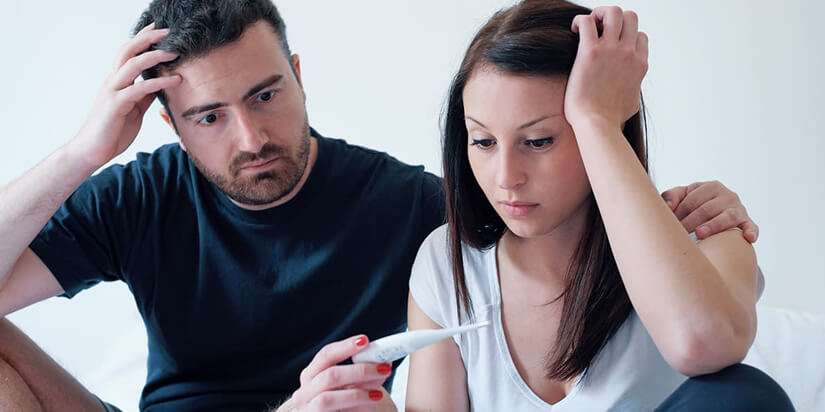
Infertility in women is an important reproductive health problem that occurs when pregnancy cannot be achieved despite regular and unprotected sexual intercourse. Infertility may not be due to only one cause; Ovulation disorders, tube obstruction, intrauterine structural problems, endometriosis, advanced age, decreased ovarian reserve and hormonal imbalances may contribute to this process.
Thanks to modern medicine, many causes of female infertility can be evaluated in detail and personalized treatment plans can be created. With correct diagnosis, appropriate treatment method and regular follow-up, the chance of pregnancy can be increased for many couples. Therefore, the most important step in infertility treatment is to determine the source of the problem using scientific methods and plan the treatment according to this result.
What is Infertility in Women?
Infertility is not caused only by female causes; Male factor, common factors of the couple or unexplained reasons may also be involved in the process. For this reason, the evaluation should be made not only to the woman, but also to the couple. Sperm analysis in men, and ovulation, uterus, tubes and ovarian reserve in women should be considered together.
In reproductive health evaluation, age, infertility duration, ovarian reserve, sperm parameters and uterine-tube factor should be considered together [1][3].
The Most Common Causes of Infertility in Women
Common causes of female infertility are:
Protocol selection in in vitro fertilization and assisted reproductive treatments should be individualized, taking into account ovarian response and safety risks [1][2].
- Ovulation disorders:Polycystic ovary syndrome, thyroid diseases, high prolactin, excessive weight loss or being overweight can affect ovulation.
- Blockage or damage to the fallopian tubes:Previous infections, history of ectopic pregnancy, pelvic surgery or endometriosis can cause damage to the tubes.
- Intrauterine structural problems:Myoma, polyp, septum or intrauterine adhesions may affect the attachment of the embryo.
- Endometriosis:This condition, which develops when tissue similar to the inner layer of the uterus settles outside the uterus, may be associated with pain, tube damage and infertility.
- Advanced age:As a woman ages, the number and quality of eggs may decrease. There may be a significant decrease in fertility potential, especially after the age of 35.
- Decrease in ovarian reserve:Low AMH or ultrasound findings may indicate decreased ovarian reserve.
- Early menopause or premature ovarian failure:Decreasing ovarian functions earlier than expected may affect the chance of pregnancy.
- Hormonal imbalances:TSH, prolactin, insulin resistance and other hormonal disorders can disrupt ovulation patterns.
Ovulation Disorders and Infertility
In ovulation disorders, menstruation may be irregular, menstrual intervals may be longer, or some women may not have a menstrual period. Polycystic ovary syndrome, thyroid diseases, high prolactin level, excessive exercise, stress, weight changes and decrease in ovarian reserve can lead to this condition.
Prior attempts, comorbidities, and pregnancy goal should be evaluated in detail before starting treatment [1].
When ovulation disorder is detected, treatment is planned according to the underlying cause. While lifestyle adjustments and drug ovulation treatment may be sufficient in some patients, insemination or in vitro fertilization treatment may be required in some patients.
Tubal Obstruction and Uterine Problems
Fallopian tubes are critical for the egg and sperm to meet and fertilization to occur. Blocked or damaged tubes can make natural pregnancy difficult. Previous infections, ectopic pregnancy, endometriosis or intra-abdominal surgeries may affect the tubes.
Embryo transfer, genetic evaluation or additional laboratory applications may not be necessary for every patient; The decision should be made based on the individual clinical picture [2][3].
Intrauterine structural problems may also affect pregnancy formation or continuation of pregnancy. Myomas, polyps, congenital uterine anomalies, septum or intrauterine adhesions may make it difficult for the embryo to attach to the uterus. Therefore, it is important to examine the structure of the uterus and the patency of the tubes in the evaluation of infertility.
“In female infertility, not only the ovaries but also the tubes, intrauterine structure, hormonal balance and male factor should be evaluated together.”
Article Summary
The issue of Infertility Treatment in Women should be addressed by evaluating the person's complaints, examination findings and needs together. In this article, the basic points about Female Infertility Treatment, the diagnosis-treatment process and things to consider are summarized.
What Will You Find in This Article?
- What is Infertility in Women?:This section explains basic information on the subject, the evaluation process and points to consider.
- The Most Common Causes of Infertility in Women:This section explains basic information on the subject, the evaluation process and points to consider.
- Ovulation Disorders and Infertility:This section explains basic information on the subject, the evaluation process and points to consider.
- Tubal Obstruction and Uterine Problems:This section explains basic information on the subject, the evaluation process and points to consider.
How to Diagnose Infertility?
The diagnosis of infertility is made by evaluating the history of the couple, age factor, duration of unprotected intercourse, menstrual cycle, previous diseases and tests performed. If pregnancy does not occur despite regular unprotected intercourse for 12 months in women under 35 years of age and 6 months in women over 35 years of age, evaluation is recommended.
However, in some cases, earlier application is required without waiting for this period. If there is menstrual irregularity, known endometriosis, tubal obstruction, previous ovarian surgery, history of cancer treatment, recurrent miscarriage or sperm problems in men, specialist evaluation should not be delayed.
The following tests and evaluations may be performed during the diagnosis process:
- Hormone tests:Values such as FSH, LH, estradiol, TSH, prolactin and AMH can be evaluated.
- Transvaginal ultrasonography:Ovarian structure, antral follicle number, uterus and intrauterine structure are examined.
- Semen analysis:To evaluate the male factor, sperm count, motility and morphology are examined.
- Rahim movie:With HSG, whether the tubes are open or not and the intrauterine structure can be evaluated.
- Ovulation tracking:Ovulation is evaluated through menstrual cycle, ultrasound and, if necessary, hormone tests.
- Hysteroscopy:It can be applied in cases of suspicion of intrauterine polyp, myoma, septum or adhesion.
- Laparoscopy:It can be evaluated in cases of suspicion of endometriosis, tube disease or intra-abdominal adhesions.
- Genetic tests:It may come to the fore in cases such as recurrent miscarriage, early ovarian failure or family history.
Treatments for Infertility in Women
Treatment of female infertility is planned according to the underlying cause. The same treatment method is not applied to every patient. Age, ovarian reserve, tube status, sperm analysis, uterine structure, previous treatments and the couple's expectations are evaluated together.
The main methods that can be used in the treatment of infertility in women are:
- Lifestyle adjustments:Weight control, smoking cessation, regular exercise and healthy nutrition can support the treatment process.
- Ovulation treatment with medication:In women with irregular ovulation, medication may be administered to support ovulation.
- Vaccination treatment:In suitable patients, a prepared sperm sample is administered into the uterus to try to increase the chance of pregnancy.
- In vitro fertilization treatment:IVF can be applied in cases of tubal blockage, advanced age, severe male factor, endometriosis or other failed treatments.
- Surgical treatments:Surgical approach may be required in cases such as intrauterine polyp, myoma, septum, adhesion or endometriosis.
Ovulation Treatment with Medication
In women with ovulation disorders, drug treatments can be applied to support hormone regulation and ensure ovulation. These treatments may be especially relevant in patients with polycystic ovary syndrome or irregular ovulation problems.
During ovulation treatment, ovarian response is monitored with ultrasound checks. The aim is to reduce risks such as multiple pregnancy and excessive ovarian response while increasing the chances of pregnancy. In some patients, this treatment can be planned together with natural intercourse, and in some patients, with insemination treatment.
Grafting Method
Insemination, medically known as intrauterine insemination, is the process of introducing a selected and prepared sperm sample into the uterus during the ovulation period. It can be applied to some suitable patients in combination with mild male factor, unexplained infertility or ovulation treatment.
In order for the insemination treatment to be successful, at least one tube must be open, ovulation must be achieved and sperm values must be at a certain level. In unsuitable patients, direct in vitro fertilization treatment may be recommended instead of insemination.
In Vitro Fertilization Treatment
In vitro fertilization treatment is the process of fertilizing the egg and sperm in a laboratory environment and transferring the resulting embryo into the uterus. Tubal obstruction may occur in advanced female age, low ovarian reserve, serious male factor, endometriosis, genetic disease risk or repeated unsuccessful treatments.
In in vitro fertilization treatment, the ovaries are stimulated with medications, eggs are collected, fertilization is achieved with sperm in the laboratory, and the developing embryos are transferred into the uterus at the appropriate time. The treatment plan should be made individually and the process should be followed regularly.
Surgical Interventions
Some structural problems that cause infertility can be treated with surgical methods. The decision for surgery is made based on how much the problem affects the chance of pregnancy, the patient's age, ovarian reserve and general treatment plan.
Surgical approaches used in infertility treatment are:
- Hysteroscopy:It can be used in the evaluation and treatment of intrauterine polyps, submucous myoma, septum or adhesions.
- Laparoscopy:It can be applied in cases such as endometriosis, tube disease, intra-abdominal adhesions or ovarian cysts.
- Myoma surgery:It can be evaluated in some myomas that affect the inner cavity of the uterus or make pregnancy difficult.
- Tubal surgery:Surgical interventions for tube damage may be considered in some selected patients.
Surgical treatment is not necessary for every patient. In some cases, direct in vitro fertilization treatment may be more appropriate instead of surgery. This decision should be made with a physician's evaluation.
Advanced Age and Ovarian Reserve
Fertility in women is significantly affected by age. As age progresses, the number of eggs and egg quality may decrease. This may reduce the chances of natural pregnancy and affect the success rates of in vitro fertilization treatment.
AMH, antral follicle count and some hormone tests can be used to evaluate ovarian reserve. However, no test alone can definitively show the chance of pregnancy. Test results should be interpreted together with the woman's age, menstrual cycle, ultrasound findings, and treatment history.
The Importance of Lifestyle in Infertility Treatment
Lifestyle is one of the important factors that can affect fertility health. A healthy weight range, smoking cessation, balanced nutrition, regular exercise and stress management can contribute to the treatment process.
- Cigarette:It may have negative effects on ovarian reserve, egg quality and pregnancy chances.
- Weight control:Extremely low or high weight can affect ovulation.
- Nutrition:A balanced diet rich in protein and fiber supports overall health.
- Exercise:Regular and moderate physical activity contributes to metabolic balance.
- Stress management:The process of infertility can be emotionally draining; Psychological support can be received when necessary.
"Infertility treatment is not just about medication or procedures. Lifestyle, psychological resilience and the couple's participation in the process together are important parts of the treatment."
Female Infertility Treatment in Istanbul
Istanbul is one of the important centers offering access to advanced clinical infrastructure, experienced specialists and assisted reproductive technologies in terms of diagnosis and treatment of female infertility. However, success in treatment is not just about the city or technology; Accurate diagnosis, ethical approach, regular follow-up and personalized planning are important.
The following points can be taken into consideration when choosing a clinic for infertility treatment in Istanbul:
- Experience of the gynecologist and obstetrician in the field of infertility
- Carrying out the diagnosis process in a detailed and scientific manner
- Avoiding unnecessary tests and treatments
- Evaluation of ovarian reserve, tubes, uterus and male factor together
- Making vaccination and in vitro fertilization referrals at the right time
- Providing realistic information according to the patient's age and expectations
- Not leaving the patient alone regarding psychological support and process management
Assoc. Dr. Scientific and Personalized Approach to Female Infertility with Nazlı Korkmaz
The infertility diagnosis and treatment process is a personalized journey that must be carried out meticulously.Gynecology and obstetrics specialist Assoc. Dr. Nazlı Korkmazprovides comprehensive evaluation, consultancy and treatment support in the field of female infertility in its clinic in Istanbul.
It accompanies its patients with a scientific, ethical and personalized approach at many stages, from ovarian reserve assessment to hormone monitoring, from ovulation treatment to insemination planning, from uterine and tube evaluation to in vitro fertilization guidance when necessary.
When to Consult a Doctor?
For couples planning pregnancy, the time to consult a doctor varies depending on age and existing risk factors. If pregnancy has not occurred despite 12 months of regular unprotected intercourse in women under the age of 35, and if pregnancy has not occurred within 6 months in women aged 35 and over, infertility evaluation is recommended.
Earlier application may be appropriate in the following cases:
- Menstrual irregularity or amenorrhea
- Known polycystic ovary syndrome
- Diagnosis or suspicion of endometriosis
- Tubal blockage or history of previous ectopic pregnancy
- Suspicion of intrauterine polyp, myoma or structural problem
- History of recurrent miscarriage
- Having had previous ovarian surgery
- History of chemotherapy or radiotherapy
- Knowing sperm problems in men
- The woman is over 35 years old
Frequently Asked Questions
If pregnancy has not occurred despite regular unprotected intercourse for 12 months in women under 35 years of age and 6 months in women over 35 years of age, evaluation is recommended. If there is menstrual irregularity, endometriosis or known tube problem, earlier application is required.
Ovulation disorders are among the most common causes of female infertility. Apart from this, tube blockage, intrauterine problems, endometriosis, advanced age and decrease in ovarian reserve are also common causes.
No. AMH provides information about ovarian reserve; However, it alone does not indicate the chance of pregnancy with certainty. The woman's age should be evaluated together with her menstrual cycle, ultrasound findings and other hormone tests.
It can be applied to women with ovulation irregularities to induce ovulation. It may come to the fore especially in cases such as polycystic ovary syndrome. Treatment should be planned with ultrasound monitoring.
This decision is made according to the woman's age, tube status, sperm analysis, ovarian reserve, duration of infertility and previous treatment history. While insemination can be tried in mild problems, in vitro fertilization may be more appropriate in cases of tubal obstruction or severe male factor.
Yes. Endometriosis can reduce the chance of pregnancy by affecting the tubes, ovaries, intra-abdominal adhesions and the reproductive environment. The treatment plan is determined according to the degree of the disease, age and pregnancy goals.
Duration varies depending on the cause of infertility and the treatment chosen. While ovulation treatment and insemination may take a shorter time, in vitro fertilization treatment requires a planned process of several weeks.
The Importance of Infertility Treatment in Women
Infertility in women is a reproductive health problem that can be managed with correct evaluation and personalized treatment plan. Just one test or one treatment method is not enough for success; Ovulation, tubes, uterus, ovarian reserve, male factor and lifestyle should be evaluated together.
The infertility process can be managed more consciously and safely with advanced diagnostic techniques, choosing the right center, regular follow-up and specialist physician support. Every woman's fertility potential is different; Therefore, the treatment plan should be created individually and the couple's expectations should be addressed realistically.