





Genetic Screening (PGT) in In Vitro Fertilization
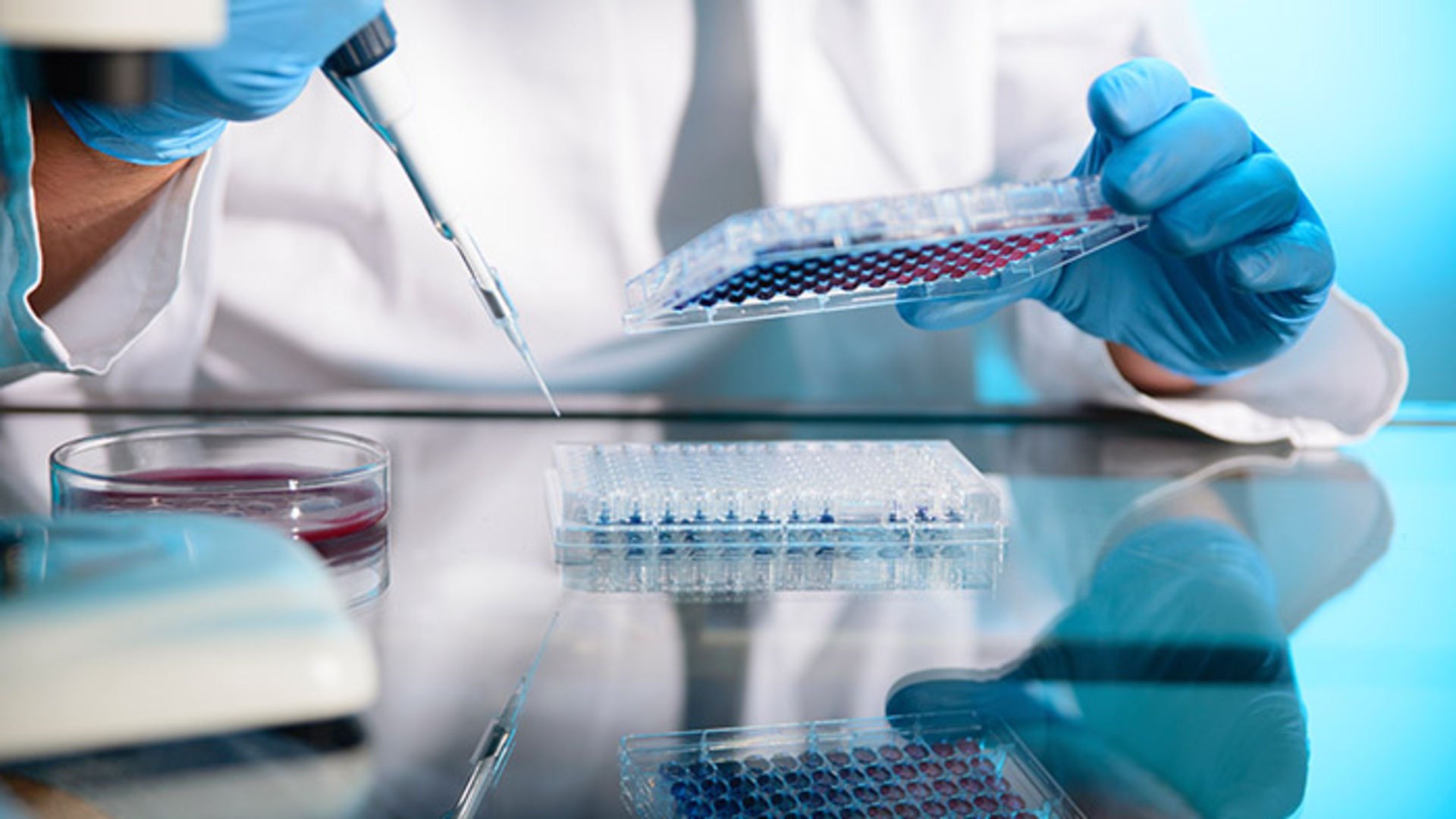
In vitro fertilization treatment is one of the most effective solution methods for couples experiencing infertility problems today. However, not only does the in vitro fertilization process increase the chances of pregnancy, it also provides assurance against genetic problems. at this pointPGT (Preimplantation Genetic Testing)It is a critical step that increases the chances of a healthy pregnancy by checking the genetic health of the embryos. Assoc. Dr. Nazlı Korkmaz is one of the experts who successfully applies the PGT method in in vitro fertilization processes and safely manages the treatment process of patients with her personalized approaches.
What is PGT?
PGT is a test that allows genetic examination of embryos before they are transferred to the uterus in in vitro fertilization treatment. Thanks to this test:
In reproductive health evaluation, age, infertility duration, ovarian reserve, sperm parameters and uterine-tube factor should be considered together [1][3].
Article Summary
In vitro fertilization treatment is one of the most effective solution methods for couples experiencing infertility problems today.
What Will You Find in This Article?
- What is PGT?:This section explains basic information on the subject, the evaluation process and points to consider.
- PGT Types and Purposes:This section explains basic information on the subject, the evaluation process and points to consider.
- How is PGT Applied?:This section explains basic information on the subject, the evaluation process and points to consider.
- Advantages of PGT:This section explains basic information on the subject, the evaluation process and points to consider.
-
Anomalies in chromosome numbercan be detected,
-
genetic diseasescan be determined in advance,
-
By selection of healthy embryossuccessful pregnancy ratecan be increased.
PGT is a recommended procedure, especially for couples with a history of recurrent miscarriage, advanced age or at risk of genetic diseases. Dr. Nazlı Korkmaz determines the necessity of PGT by evaluating the patients' past stories and provides consultancy throughout the process.
PGT Types and Purposes
PGT can be applied for different purposes and is examined in three main groups:
Protocol selection in in vitro fertilization and assisted reproductive treatments should be individualized, taking into account ovarian response and safety risks [1][2].
“Success in the Genetic Screening (PGT) process in In Vitro Fertilization does not come from a single procedure, but from a holistic approach consisting of accurate diagnosis, personalized planning and regular follow-up.”
-
PGT-A (Aneuploidy Test):
-
It detects chromosomal numerical disorders in embryos.
-
It is recommended for women with poor egg quality due to recurrent miscarriages or advanced age.
-
-
PGT-M (Monogenic Disease Test):
-
Examines the existence of single gene diseases.
-
It is critical for couples with a family history of genetic diseases.
-
-
PGT-SR (Chromosomal Structural Disorder Test):
-
It detects changes in chromosome structure (such as translocation, deletion).
-
It is suitable for those who have previously had unsuccessful in vitro fertilization experiences due to genetic problems.
-
Each type of PGT is applied according to the specific needs of the patient and the most appropriate test method is selected with the guidance of the doctor.
How is PGT Applied?
The PGT process is carried out in parallel with the standard stages of in vitro fertilization treatment:
Prior attempts, comorbidities, and pregnancy goal should be evaluated in detail before starting treatment [1].
If you are wondering about the details regarding this subjectIn Vitro Fertilization Treatment IstanbulYou can review our article.
-
Egg collection and fertilization:
-
Eggs are collected from the woman and fertilized with sperm in a laboratory environment.
-
-
Embryo development:
-
Embryos develop in a laboratory environment for several days (usually 5-6 days).
-
Cell samples are taken from embryos that have reached the blastocyst stage.
-
-
Genetic analysis:
-
The cells taken are examined genetically in a laboratory environment.
-
Healthy and genetically normal embryos are selected.
-
-
Embryo transfer:
-
The healthy embryo is transferred to the mother's uterus and the pregnancy process is started.
-
Dr. Nazlı Korkmaz manages this process meticulously and increases both the safety of the process and the chance of success by providing detailed information to the patient at every stage.
Advantages of PGT
The advantages of PGT application to the in vitro fertilization process are as follows:
Embryo transfer, genetic evaluation or additional laboratory applications may not be necessary for every patient; The decision should be made based on the individual clinical picture [2][3].
To look at the issue from a broader perspectiveIn Vitro Fertilization Prices IstanbulYou can review our article.
-
Reduces the risk of recurrent miscarriage,
-
It helps prevent genetic diseases before pregnancy,
-
Reduces unsuccessful in vitro fertilization attempts,
-
It increases the chance of pregnancy by transferring healthy embryos.
These advantages are especially important for couples who are older, have genetic risks, or have previously experienced in vitro fertilization failure.
Who is Eligible for PGT?
PGT is not a mandatory procedure for every couple. However, it is recommended in the following cases:
-
Women with a history of recurrent miscarriage
-
women over 35 years old,
-
Individuals with a family history of genetic diseases,
-
Couples who have experienced failure in previous in vitro fertilization attempts.
Dr. Nazlı Korkmaz determines the necessity of PGT by evaluating the entire medical history of the patients and plans the process individually.
PGT and Pregnancy Success
Research shows that pregnancy rates increase significantly in in vitro fertilization treatments using PGT. This is because healthy embryos are pre-selected and the transfer of genetically abnormal embryos is prevented. In this way, both early miscarriages and pregnancy losses due to genetic disorders are minimized.
PGT and Recurrent Miscarriages
PGT application is of great importance in women who experience recurrent miscarriages. In this case, genetic abnormalities in the embryos may be likely to cause pregnancy loss. Thanks to PGT, unhealthy embryos are detected before they are transferred to the uterus and the risk of pregnancy loss is reduced. This approach gives couples a huge advantage in both time and emotional terms.
Dr. Nazlı Korkmaz recommends PGT in patients with a history of recurrent miscarriage and follows the process closely. As a result of detailed interviews with the patient, the genetic status of the embryos is analyzed and healthy embryos are selected. This method plays a critical role in increasing the success of in vitro fertilization treatment.
Risks in the PGT Process
Although PGT is a very safe application, there are some risks:
-
Risk of damaging the embryo (very rare),
-
Misinterpretation of test results,
-
Additional costs and additional laboratory time required.
These risks can be minimized with an expert team and an experienced clinic. Dr. While Nazlı Korkmaz manages the PGT process, she shares the risks in detail with the patient and takes the necessary precautions.
Advanced Age and PGT
Women's age is a factor that directly affects the success of in vitro fertilization. Egg quality and embryo health may decrease, especially in women over the age of 35. In this case, PGT can increase the chance of pregnancy by detecting chromosomal numerical anomalies. Pre-selecting healthy embryos reduces the risk of miscarriage and genetic disorders.
Assoc. Dr. Nazlı Korkmaz emphasizes the importance of PGT in patients in the older age group and plans the process individually. The most appropriate embryo selection is made by evaluating the hormonal and genetic status of the patients. In this way, success rates increase and unnecessary costs are prevented.
PGT and Prevention of Single Gene Diseases
PGT-M application is a critical test for couples with a family history of single gene disease. Thanks to this test:
-
The transmission of hereditary diseases to the embryo is prevented,
-
Genetically healthy embryos are selected,
-
Pre-pregnancy risks are minimized.
In this way, a healthy pregnancy is ensured for both the mother and the unborn baby.
Dr. Nazlı Korkmaz informs families at risk of single-gene diseases about PGT-M. The testing process and results are meticulously evaluated, and safe and scientifically based recommendations are offered to patients. Thus, the health of the unborn baby is ensured in advance.
PGT and Ethical Approach
Genetic screening practices involve some ethical sensitivities. Only health status and genetic normality are taken into consideration during the selection of embryos. Assoc. Dr. Nazlı Korkmaz performs PGT applications in accordance with ethical and scientific standards and enables couples to make informed decisions.
Genetic screening in vitro fertilization (PGT) is a modern practice that both increases couples' chances of having a healthy baby and minimizes genetic risks. It is a critical step, especially for couples at risk of recurrent miscarriages, advanced age or genetic diseases. Dr. Nazlı Korkmaz manages this process with expertise and maximizes the chance of success with personalized treatment plans.
PGT application is a safe and effective part of in vitro fertilization treatment with proper guidance and meticulous laboratory work.
References
- [1] NICE NG257 - Fertility problems: assessment and treatment- Current clinical guidance for infertility evaluation, treatment options and IVF approach.
- [2] ESHRE - Ovarian Stimulation for IVF/ICSI- Ovarian stimulation, monitoring and personalization recommendations during the IVF/ICSI process.
- [3] ASRM - Definition of infertility: a committee opinion- Expert committee opinion on the definition of infertility and the timing of application for treatment.