





Female Infertility Symptoms and Treatment
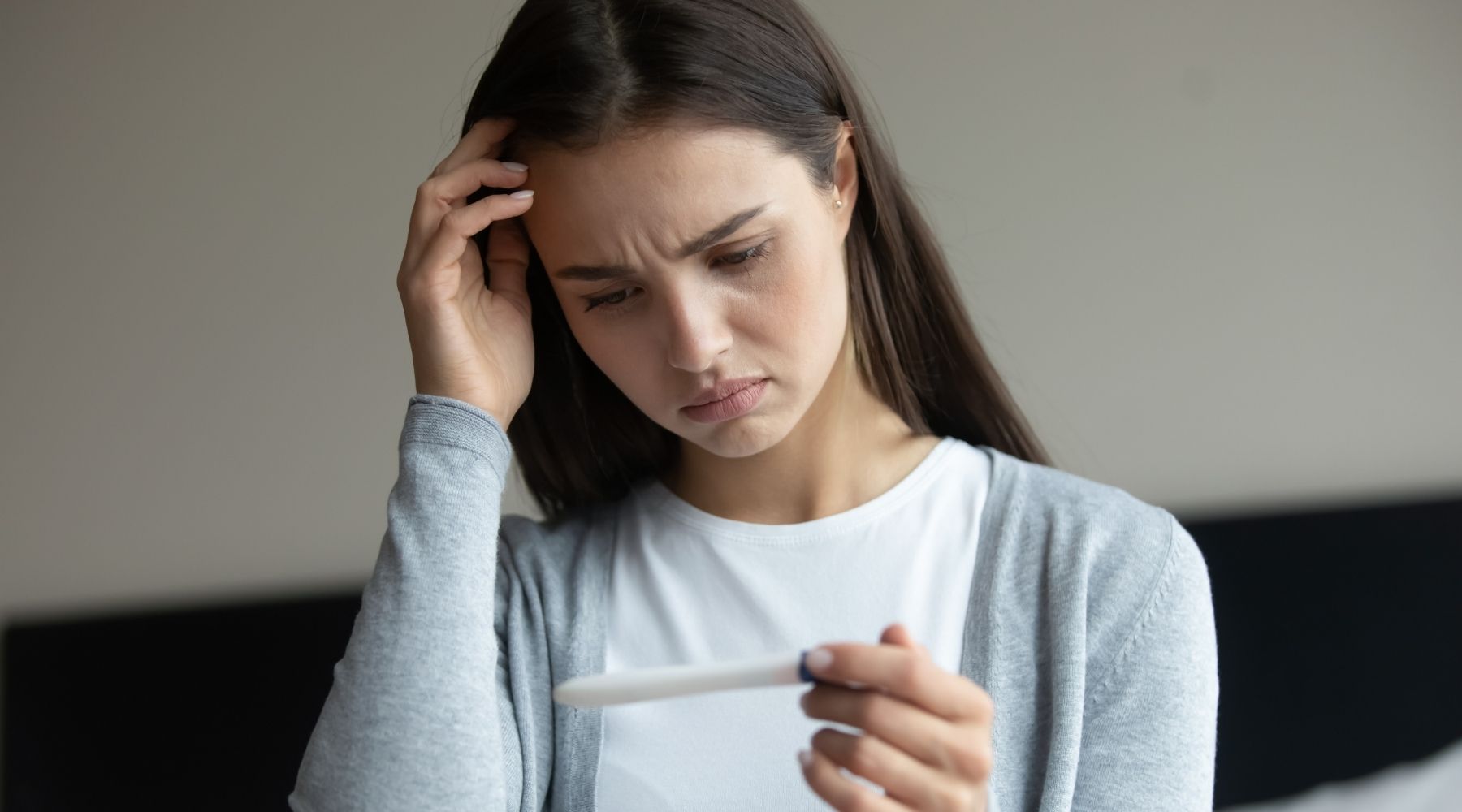
female infertility It may be related to factors related to the female reproductive system, such as ovulation, ovarian reserve, fallopian tubes, uterus or endometriosis, which affect pregnancy. However, infertility does not always constitute a clear sign of disease. Many women may have difficulty achieving pregnancy even though they have regular menstrual periods and do not experience any gynecological complaints.
Istanbul female infertility evaluation Decisions should not be made based solely on a single hormone test or ultrasound result. The woman's age, how long she has been trying for pregnancy, menstrual and ovulation patterns, ovarian reserve, the structure of the uterus and tubes, and the male factor should be evaluated simultaneously. Assoc. Dr. The purpose of the evaluation to be performed by Nazlı Korkmaz is to determine which stage the infertility may be related to and to create a personalized treatment plan accordingly.
What is Female Infertility?
Infertility is the inability to achieve pregnancy within the expected period despite regular and unprotected sexual intercourse. During the female reproductive process, the egg must develop and be ovulated, the sperm must reach the tubes, fertilization must occur, the embryo must advance to the uterus and settle in the inner layer of the uterus.
Problems in any of these stages may reduce the chances of pregnancy. While sometimes there is a single cause, sometimes more than one condition such as ovarian reserve, tubes, endometriosis and male factor may coexist in the same couple.
Article summary
Female infertility often does not cause any specific symptoms, and the first sign may be the inability to achieve pregnancy. Ovulation disorders, age and ovarian reserve, problems in the fallopian tubes, endometriosis and intrauterine diseases are among the main causes of female infertility.
What Will You Find in This Article?
- Symptoms of Female Infertility: Menstrual and gynecological symptoms that may require evaluation in addition to the inability to become pregnant.
- When to Investigate: Timing of infertility evaluation according to age and personal risks.
- Causes of Female Infertility: Factors related to ovulation, reserve, tubes, uterus and endometriosis.
- Treatment Options: Personalized approaches, from ovulation treatment to insemination and in vitro fertilization.
What are the symptoms of female infertility?
The most important feature of female infertility is that it does not cause any obvious symptoms in most patients. A woman who has regular menstrual periods, has no pain, and feels completely healthy gynecologically may also have difficulty in achieving pregnancy.
However, some symptoms may require earlier evaluation for a condition that may affect ovulation or the female reproductive system.
Having these symptoms does not mean that there is infertility. Likewise, the absence of any of these does not necessarily indicate that fertility is normal.
How Long Should Infertility Be Investigated If There Is No Pregnancy?
The woman's age at the time of evaluation is an important determinant. The reason for this is that the number of eggs and egg quality change with age.
What Causes Female Infertility?
The aim of research in female infertility is not to look for rare diseases in everyone, but to systematically evaluate the basic stages of the pregnancy process. The most important areas are ovulation, ovarian reserve, tubes, uterus and pelvis structure.
1. Ovulation Disorders
In order for pregnancy to occur, eggs must develop regularly from the ovaries and ovulation must occur. Infrequent or irregular ovulation is one of the important causes of female infertility.
Polycystic ovary syndrome, thyroid diseases, significant weight changes, some hormonal disorders and decreased ovarian function can affect ovulation.
For detailed information about one of the most common causes of irregular ovulation.Polycystic Ovary SyndromeYou can review our article.
2. Age and Egg Reserve
Female age is one of the most important factors affecting fertility. As the age increases, the number of eggs in the ovaries decreases, and the possibility of chromosomal irregularities in the eggs also increases.
Antral follicle count with AMH and ultrasound can provide information about the numerical reserve of the ovaries. However, low AMH alone does not mean that natural pregnancy is not possible and AMH does not directly measure egg quality.
To learn how to interpret AMH and ovarian reserveLow Egg ReserveYou can review our content.
3. Fallopian Tubes are Closed
In natural pregnancy, eggs and sperm usually meet in the fallopian tube. If one or both tubes are blocked, it may affect the sperm's ability to reach the egg or the fertilized egg's progress to the uterus.
Previous pelvic infections, ectopic pregnancy, abdominal-pelvic surgeries or endometriosis may have an effect on the tubes. Uterine film (HSG) or different imaging methods can be used in suitable patients to evaluate tube patency.
4. Endometriosis
Endometriosis is a chronic disease that develops when tissues similar to the inner layer of the uterus are found outside the uterus. It may reduce the chance of pregnancy by affecting the ovaries, fallopian tubes and the anatomy within the pelvis.
Evaluation of endometriosis becomes important in women with severe menstrual pain, deep pain during intercourse, chronic pelvic pain or a history of chocolate cyst. However, not every woman with endometriosis develops infertility.
“The aim of infertility evaluation is not to do as many tests as possible; it is to obtain information that will actually change the treatment decision by systematically examining ovulation, ovarian reserve, tubes, uterus and male factor.”
5. Problems Inside the Uterus
In order for the embryo to be placed in the uterus, the uterine cavity must be suitable. Intrauterine polyps, submucous myomas that disrupt the cavity, intrauterine adhesions or some congenital uterine anomalies may affect pregnancy.
These conditions can be evaluated by transvaginal ultrasound, sonohysterography or, in patients deemed necessary, hysteroscopy. However, not every woman with infertility automatically needs to undergo hysteroscopy.
To get information about the method that allows direct imaging of the uterine cavityIstanbul HysteroscopyYou can review our page.
Should the male factor be evaluated together with the female factor?
Yes. When pregnancy cannot be achieved, testing only the woman for months and leaving the male factor until last is not the right approach. Evaluation of parameters such as sperm count, movement and shape is one of the basic parts of infertility research.
For this reason, when applying as a couple, the evaluation of men and women should be carried out in parallel as much as possible, which may enable faster diagnosis.
How is Female Infertility Diagnosed?
There is no “single test” approach to infertility diagnosis. Assoc. Dr. In the first evaluation performed by Nazlı Korkmaz, the person's age, menstrual cycle, how long pregnancy has been desired, previous surgeries, previous pregnancies and infertility treatments, if any, are discussed in detail.
Then, the necessary examinations for each patient are determined. Evaluation often seeks answers to the following four questions:
Menstrual history and, when necessary, ovulation status are examined through hormonal or ultrasound evaluations.
Age, AMH and ultrasound and antral follicle count help in treatment planning.
Uterus and ovaries by ultrasound; When necessary, tube patency is evaluated using HSG or other methods.
If there is a male partner, semen analysis can be performed in parallel with the female evaluation.
What Tests Are Performed in Female Infertility?
It is not necessary to apply the same laboratory package to each patient. Test selection is made according to menstrual cycle, age, previous diseases and examination findings.
- Transvaginal ultrasound: It provides information about the uterus, endometrium, ovaries, myomas, polyp suspicion and ovarian reserve.
- AMH: It helps to evaluate the numerical capacity of the ovarian reserve.
- Antral follicle count1m1: It is the counting of small follicles in the ovaries with ultrasound.
- FSH and estradiol: It can be used to evaluate ovarian functions in appropriate patients.
- TSH: It helps evaluate thyroid functions when necessary.
- Prolactin: It can be evaluated especially if there are symptoms such as menstrual irregularity, amenorrhea or milk discharge from the breast.
- HSG: It can be used to evaluate the patency of the uterine cavity and fallopian tubes.
Immunological tests, clotting panels, routine endometrial biopsy or numerous advanced tests are not necessary in every infertility patient. It is important that the outcome of the investigations actually influence the treatment decision.
Does Low AMH Mean Female Infertility?
No. AMH provides information about the numerical aspect of ovarian reserve, but it does not measure the possibility of natural pregnancy on its own. In a woman with low AMH, ovulation may continue and natural pregnancy may occur.
AMH helps predict the response of the ovaries to drugs, especially in assisted reproductive treatment. The age factor plays an important role in egg quality.
What is Unexplained Infertility?
Sometimes, pregnancy may not occur even though ovulation is regular, fallopian tubes are open, uterine evaluation is normal and semen analysis is sufficient. No obvious cause found in standard infertility evaluation1unexplained infertility It is called.
This does not mean "there is no problem"; It means that no obvious reason preventing pregnancy can be shown with current standard tests. Treatment can be planned according to the woman's age, duration of infertility and previous treatments.
How to Treat Female Infertility?
There is no single treatment for female infertility that can be applied to everyone. In order to choose the correct treatment, the main problem affecting the pregnancy must first be determined.
If regular ovulation does not occur due to PCOS or another reason, treatments that regulate or stimulate ovulation can be used in suitable patients.
Hysteroscopic treatment can be planned in suitable patients in cases such as polyps, intrauterine myomas or adhesions that are thought to affect pregnancy.
In some couples where at least one tube is open, sperm characteristics are suitable and the clinical condition is favorable, intrauterine insemination, that is, insemination, can be considered.
IVF may be considered in cases such as serious damage to the tubes, advanced age, low ovarian reserve, significant male factor or failure to obtain results from other treatments.
How is Ovulation Treatment Done?
In patients with ovulation problems, the underlying cause is determined. The treatment of a woman with PCOS and a woman with reduced ovarian reserve is not the same.
In suitable patients, follicle development can be supported with oral or injectable medications. Ultrasound monitoring may be required during treatment. The aim is not to develop a large number of eggs in an uncontrolled way, but to limit risks such as multiple pregnancy while increasing the possibility of pregnancy.
To whom can vaccination treatment be applied?
Immunization is the introduction of a prepared sperm sample into the uterus with a thin catheter, close to ovulation. It can be evaluated in cases of unexplained infertility, some ovulation problems and suitable mild male factor cases.
In patients whose fallopian tubes are seriously damaged or the possibility of pregnancy is very low due to age and ovarian reserve, different treatment options may be more appropriate instead of vaccination.
To learn how the vaccination process is implementedWhat is Vaccination Treatment?You can review our article.
Is Surgery Required for Female Infertility?
Surgery is not performed on every infertility patient. Surgery is only considered when it is thought that treating the identified anatomical problem will contribute significantly to the pregnancy plan.
For example, while a significant myoma or polyp extending into the uterine cavity can be treated, it is not necessary for every small myoma or every endometriosis chamber to be operated on before pregnancy. It is important to preserve the ovarian reserve, especially in ovarian surgeries.
When is In Vitro Fertilization Considered for Female Infertility?
In vitro fertilization treatment is based on collecting eggs from the ovaries, fertilizing them with sperm in the laboratory, and transferring the resulting embryo into the uterus. In vitro fertilization is not the first option for every infertility patient.
IVF may be considered in cases of severe blockage in both tubes, significant male factor, advanced female age, decreased ovarian reserve, some cases of endometriosis, or in cases where pregnancy cannot be achieved with simpler treatments.
To examine the IVF process in detail, from egg stimulation to embryo transfer0Istanbul In Vitro Fertilization TreatmentYou can review our page.
Does Lifestyle Affect the Chances of Pregnancy?
Lifestyle cannot eliminate every cause of infertility. Opening a closed fallopian tube or restoring decreased ovarian reserve is not possible with nutrition and exercise alone. However, in terms of general reproductive health, it is important to avoid smoking, maintain a healthy body weight and keep chronic diseases under control.
In couples planning pregnancy, folic acid use, review of medications used, evaluation of smoking and alcohol exposure, and general health checks are also parts of pre-pregnancy planning.
How to Plan Female Infertility Treatment in Istanbul?
Istanbul female infertility treatment When planning, not only the person's laboratory values, but also her age and pregnancy goals should be taken into consideration. For example, applying the same treatment sequence to a 27-year-old patient with ovulation problems and a 39-year-old patient with decreased ovarian reserve may cause loss of time.
Assoc. Dr. In the evaluation performed with Nazlı Korkmaz, the aim is to start with the least invasive and clinically significant treatment by considering ovulation, ovarian reserve, uterus and tubes, as well as the male factor simultaneously. When necessary, the time to switch to assisted reproductive methods such as insemination or in vitro fertilization is determined according to the personal characteristics of the patient.
Frequently Asked Questions About Female Infertility
What is the first sign of female infertility?
Many women have no special symptoms. Failure to become pregnant within the appropriate period of time despite regular and unprotected intercourse may be the first thing noticed.
If menstruation is regular, won't there be infertility?
No. Regular menstruation is often a positive finding in terms of regular ovulation, but it does not exclude problems related to the fallopian tubes, ovarian reserve, endometriosis, uterus or male factor.
How many months should pregnancy be tried before the age of 35?
In women under the age of 35 who do not have a known risk of infertility, evaluation is generally recommended if pregnancy does not occur despite 12 months of regular unprotected intercourse.
Why wait 6 months after the age of 35?
Since the decline in fertility accelerates as women get older, postponing the evaluation for a long time may lead to a loss of valuable treatment time. For this reason, for those aged 35 and over, evaluation is usually made approximately 6 months later.
Is it necessary to wait a year after the age of 40?
No. If pregnancy is desired in women over the age of 40, earlier evaluation may be appropriate. Planning should be made taking into account personal ovarian reserve and other reproductive factors.
Does the AMH test indicate infertility?
AMH alone is not an infertility test. It helps to evaluate the numerical capacity of the ovarian reserve and is especially useful in planning assisted reproductive treatment.
Can you get pregnant if only one tube is blocked?
If the other tube is open and healthy, natural pregnancy may be possible. However, the reason why the tube is closed, the condition of the other tube, age and sperm factor should be evaluated together.
Can a woman with endometriosis get pregnant?
Yes. Endometriosis may reduce the chance of pregnancy, but it does not definitely prevent pregnancy. Treatment; It is individualized according to age, ovarian reserve, prevalence of the disease, pain and gestation period.
Can female infertility be completely cured?
The result varies depending on the underlying cause. While pregnancy can be achieved with treatment for some reasons such as ovulation disorders, in some cases it may be necessary to use assisted reproductive methods such as insemination or in vitro fertilization.
Is in vitro fertilization the first option in infertility treatment?
No. In vitro fertilization is not the first treatment for every patient. The most appropriate method is selected by evaluating age, infertility period, tubes, ovarian reserve, sperm results and previous treatments.
Is hysteroscopy performed on everyone for female infertility?
No. Hysteroscopy may be useful when there is a suspicion of polyp, myoma, adhesion or a different problem in the uterine cavity. It does not need to be applied routinely to every infertility patient with a normal uterine evaluation.
When should one apply for female infertility in Istanbul?
Female infertility in Istanbul For evaluation, it can be applied if pregnancy cannot be achieved for approximately 12 months for those under the age of 35, and for approximately 6 months for those aged 35 and over. Earlier evaluation may be required in cases such as menstrual irregularity, endometriosis, tube problem, low ovarian reserve or being over 40 years old.