





What is Preeclampsia? Symptoms and Treatment
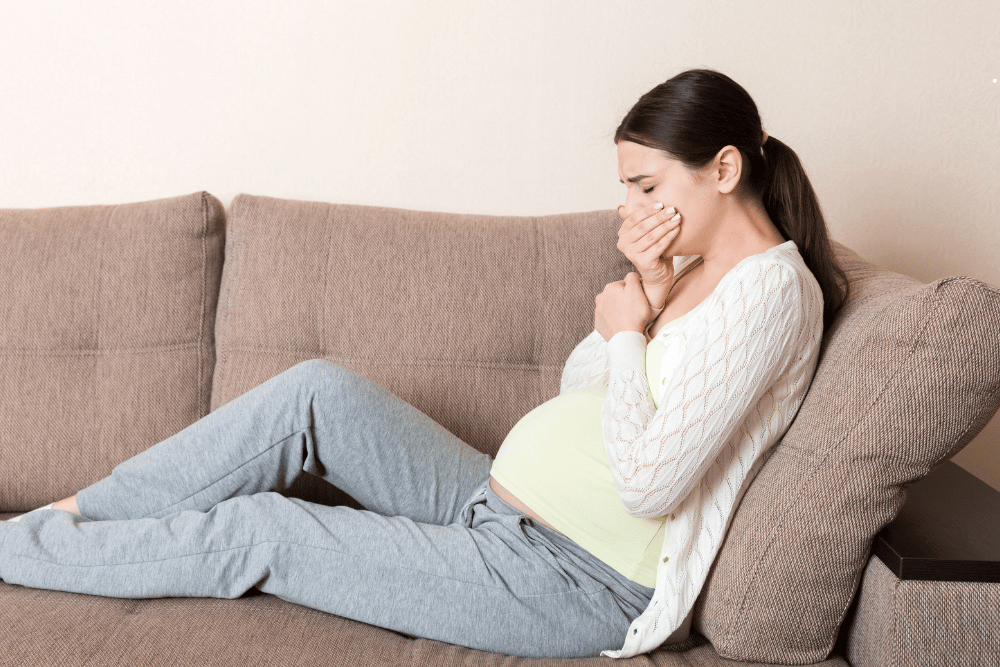
preeclampsiaIt is a serious pregnancy complication that usually occurs after the 20th week of pregnancy and can affect different organ systems of the expectant mother along with high blood pressure. Although it is sometimes called "pregnancy poisoning" among the public, it is not a real poisoning. While preeclampsia may begin with mild clinical findings, it may worsen in a short time in some pregnant women and threaten the health of the mother and baby.
Istanbul preeclampsia follow-upIt is not enough to just check the blood pressure during the test. Urine protein, kidney and liver functions, platelet count, expectant mother's symptoms, baby's growth and placenta functions should be evaluated together. Assoc. Dr. In the pregnancy follow-ups carried out by Nazlı Korkmaz, it is important to recognize high blood pressure early and to perform the necessary examinations in terms of preeclampsia on time.
What is Preeclampsia?
Preeclampsia is a multisystem disease related to hypertension that occurs during pregnancy. It usually develops in the second half of pregnancy. High blood pressure may be accompanied by loss of protein in the urine; However, in some patients without proteinuria, the diagnosis of preeclampsia may come to the fore with the development of findings affecting the kidneys, liver, brain, blood system or lungs.
The course of the disease is not the same in every pregnant woman. While high blood pressure is noticed in some women without any complaints during regular check-ups, some women may experience symptoms such as severe headache, visual impairment, upper abdominal pain or shortness of breath.
Article summary
Preeclampsia is a serious pregnancy disease related to high blood pressure that usually develops after the 20th week of pregnancy. Severe headache, vision changes, upper abdominal pain, sudden swelling and shortness of breath may be important warning symptoms. Treatment and birth timing are determined according to the week of pregnancy and the condition of the mother and baby.
What Will You Find in This Article?
- What is Preeclampsia?:The difference between high blood pressure during pregnancy and preeclampsia is explained.
- Preeclampsia Symptoms:Headaches, visual disturbances, upper abdominal pain, and other warning symptoms are discussed.
- Diagnosis and Follow-up:The importance of blood pressure, urine, blood tests, ultrasound and evaluation of the baby is explained.
- Preeclampsia Treatment:Blood pressure medications, magnesium sulphate, follow-up according to pregnancy week and birth planning are explained.
At what week does preeclampsia begin?
Preeclampsia mostly occurs during pregnancyAfter the 20th weekemerges. Hypertension that begins in the earlier weeks of pregnancy is first evaluated in terms of chronic hypertension that was present before pregnancy or developed at the beginning of pregnancy.
When preeclampsia develops before the 34th week of pregnancy, it can be considered as early-onset preeclampsia. The disease that occurs in the early weeks may require closer monitoring for mother and baby.
Are Preeclampsia and Pregnancy Blood Pressure the Same Thing?
No. After the 20th week of pregnancy, blood pressure of 140/90 mmHg or above in a woman whose blood pressure was previously normal can be considered as gestational hypertension. In preeclampsia, high blood pressure is accompanied by proteinuria or other findings that affect the expectant mother's organ systems.
| Situation | Basic feature | Approach |
|---|---|---|
| Chronic Hypertension | Having high blood pressure before pregnancy or during the first 20 weeks of pregnancy | Close blood pressure and fetal monitoring throughout pregnancy |
| Gestational Hypertension | New onset high blood pressure after the 20th week, no signs of preeclampsia | Regular follow-up for the development of preeclampsia |
| preeclampsia | Proteinuria with high blood pressure or signs of organ damage | Close monitoring of mother and baby, treatment and birth plan according to gestational age |
| Preeclampsia with Severe Symptoms | Very high blood pressure or serious organ damage | Hospital follow-up and earlier birth may be required depending on the week of pregnancy |
This table should not be used for diagnostic purposes.Preeclampsia cannot be diagnosed based on a single blood pressure measurement or a single symptom; Necessary measurements and laboratory examinations should be evaluated by a gynecologist and obstetrician.
What are the symptoms of preeclampsia?
Preeclampsia can sometimes be noticed without any symptoms, only by detecting high blood pressure or protein in the urine during a routine pregnancy check-up. Therefore, just because the expectant mother feels well does not mean that she does not have preeclampsia.
When symptoms develop, the following complaints may occur:
- Severe headache that does not go away or is different from the usual one,
- Blurred vision, flashes of light or change in the field of vision,
- Pain under the ribs or especially in the upper right abdomen
- Sudden or significant swelling in the face and hands,
- Significant weight gain in a short time,
- Nausea and vomiting have just started or become more pronounced in the second half of pregnancy,
- Shortness of breath,
- Feeling very bad in general,
- Increased blood pressure values may be observed.
Is edema during pregnancy always a sign of preeclampsia?
No. Especially in the later stages of pregnancy, mild swelling in the feet and ankles can be seen quite frequently and does not mean preeclampsia on its own.
However, if sudden swelling in the face and hands, very rapidly developing edema, or if this condition is accompanied by other symptoms such as headache, visual impairment and high blood pressure, evaluation for preeclampsia is required.
"One of the most important points in preeclampsia is knowing that the disease can develop without the expectant mother experiencing any obvious complaints. For this reason, regular pregnancy checks and blood pressure measurement should not be neglected."
What Causes Preeclampsia?
The exact cause of preeclampsia cannot be explained by a single mechanism. It is thought that differences in the implantation and blood supply process of the placenta to the uterine vessels play an important role in the development of the disease. These changes related to the placenta may have effects on the vascular system and different organs of the expectant mother.
For this reason, preeclampsia is not considered only as a "tension disease". It can affect different systems, from the kidneys to the liver, from the brain to blood cells and the placenta.
What are the factors that increase the risk of preeclampsia?
Preeclampsia can develop in any pregnancy. However, in some cases the risk is higher.
- Having preeclampsia in a previous pregnancy,
- Presence of chronic hypertension before pregnancy1,
- Kidney diseases1,
- Type 1 or Type 2 diabetes,
- Some autoimmune diseases such as systemic lupus or antiphospholipid syndrome,
- Multiple pregnancy with twins or more babies,
- first pregnancy,
- The older age of the mother,
- obesity,
- Family history of preeclampsia,
- Some risky obstetric stories from previous pregnancies.
Having a risk factor does not necessarily mean that preeclampsia will develop. However, blood pressure and pregnancy follow-ups may need to be planned more carefully in these pregnant women.
How is Preeclampsia Diagnosed?
Blood pressure measurement is one of the basic evaluations in the diagnosis of preeclampsia. If blood pressure of 140/90 mmHg or above is detected in repeated measurements after the 20th week of pregnancy, an examination is performed in terms of gestational hypertension and preeclampsia.
In evaluating the diagnosis, protein is not only looked for in the urine. Organ effects such as deterioration in kidney and liver functions, decrease in platelet count, fluid accumulation in the lungs or neurological symptoms are also important.
What Tests Are Performed in Preeclampsia?
Necessary examinations may vary depending on the patient's blood pressure values, gestational week and symptoms. In general, the condition of the mother and the baby is evaluated together.
- Repeating blood pressure measurements1,
- Protein evaluation in urine,
- Complete blood count and platelet count,
- Liver function tests,
- Kidney function tests,
- Ultrasound to evaluate the baby's development,
- Amniotic fluid evaluation,
- Examining the placenta and baby's blood flow with Doppler ultrasound when necessary,
- NST or other fetal monitoring methods that evaluate the baby's well-being can be applied.
How is Preeclampsia Follow-Up Done in Istanbul?
Istanbul preeclampsia follow-upWhen planning, not only the blood pressure values of the expectant mother, but also the week of pregnancy and the development of the baby are taken into consideration. If preeclampsia is mild and the condition of the mother and baby seems stable, more frequent outpatient clinic check-ups or hospital follow-up may be planned when necessary.
Assoc. Dr. In the evaluation carried out by Nazlı Korkmaz, control intervals are determined by considering the blood pressure course, blood and urine results, ultrasound findings and the baby's well-being. If a finding occurs that suggests the disease is worsening, the follow-up plan is rearranged.
For detailed information about follow-up of pregnancy by weeks, tests that can be performed and preparation for birth.Pregnancy and Birth ProcessYou can review our article.
What is Severe Preeclampsia?
Some clinical features of preeclampsia may indicate a more serious course of the disease. One of the important severe findings is that the blood pressure is 160 mmHg systolic or 110 mmHg diastolic and above.
Apart from this, the following situations may also suggest that the disease has worsened:
- Severe headache that does not go away,
- visual impairment,
- Severe right upper abdominal or epigastric pain,
- Significant deterioration in liver functions,
- Severe decrease in platelet count,
- Deterioration in kidney functions,
- Fluid accumulation in the lungs and shortness of breath,
- Deterioration in the general condition of the mother or baby.
Preeclampsia with severe findings usually requires close follow-up in a hospital setting.
What is HELLP Syndrome?
HELLP syndrome is a serious pregnancy complication that may be associated with preeclampsia. It takes its name from the English initials of the symptoms of disintegration of red blood cells, increase in liver enzymes and decrease in platelet count.
In HELLP syndrome, pain in the upper abdomen or under the right rib, nausea, vomiting, weakness, headache or deterioration in general condition may occur. Since the disease can sometimes occur before blood pressure levels rise too dramatically, symptoms should be evaluated together with laboratory tests.
What is Eclampsia?
Eclampsia is the development of seizures in a pregnant woman with preeclampsia that cannot be explained by another neurological reason. It is a serious condition that requires urgent intervention for mother and baby.
In appropriate clinical situations, in order to reduce the risk of seizures in patients with severe preeclampsia.magnesium sulfatetreatment can be used. Magnesium sulfate is not a blood pressure medication; One of its main purposes is to prevent eclamptic seizures.
How Does Preeclampsia Affect the Baby?
In preeclampsia, blood flow to the placenta may be affected. As a result, some babies may experience slowing of growth in the womb or the baby being smaller than expected for the gestational age.
Exacerbation of the disease may make premature birth necessary. Additionally, the risk of serious obstetric complications such as premature separation of the placenta may increase. For this reason, it is important to regularly evaluate the baby as well as the mother in the diagnosis of preeclampsia.
How to Treat Preeclampsia?
Preeclampsia treatmentIt is determined according to the severity of the disease, the week of pregnancy and the condition of the mother and baby. The main purpose of treatment is to prevent serious complications in the expectant mother and to have a healthy birth under as safe conditions as possible.
Among the approaches that can be applied:
- Close blood pressure monitoring,
- Repeating the expectant mother's blood and urine tests,
- Monitoring the baby's growth and well-being,
- Use of blood pressure lowering medication when necessary,
- Application of magnesium sulphate to prevent seizures in A1r preeclampsia,
- Applying corticosteroids to support the baby's lung development during appropriate weeks of pregnancy when there is a possibility of premature birth,
- Birth planning may be possible depending on the condition of the mother or baby.
It is not right to try to treat preeclampsia with self-administered blood pressure medications at home. Drugs that can be used during pregnancy should be evaluated separately from the perspective of the mother and the baby.
When does birth occur in preeclampsia?
Birth timing is one of the most important decisions in preeclampsia management. In pregnancies where there are no severe findings and the mother and baby are stable, follow-up can be continued until a certain week of pregnancy. Birth can be planned when term pregnancy is approached.
In preeclampsia with severe symptoms, delivery may occur earlier, especially in the 34th week of pregnancy and later. If the pregnancy is less than 34 weeks and the condition of the mother and the baby is suitable, short-term waiting under very close hospital follow-up may also be considered. However, if the condition of the mother or the baby worsens, delivery may be necessary, regardless of the gestational age.
Is Caesarean Necessary If There is Preeclampsia?
No. A diagnosis of preeclampsia alone does not constitute a necessity for cesarean section. If the condition of the mother and the baby is suitable, the baby's position and the week of pregnancy allow, vaginal birth may be possible.
A cesarean section may be required if a problem develops in the condition of the mother or baby during birth, if the birth does not progress, or if there are different obstetric reasons. The type of birth should be evaluated separately for each patient.
Can preeclampsia be prevented?
There is no definitive method to prevent all cases of preeclampsia. However, in some pregnant women in the high-risk group, low-dose aspirin treatment may be considered under the supervision of a physician in order to reduce the risk.
Aspirin use should not be started by one's own decision during pregnancy. The presence of risks such as preeclampsia history, chronic hypertension, diabetes, kidney disease, autoimmune disease or multiple pregnancy is evaluated and the suitability is determined by the gynecologist and obstetrician.
For information about evaluating existing diseases and possible risks before pregnancyPre-Pregnancy TestsYou can review our article.
How to Monitor Blood Pressure at Home?
If home blood pressure monitoring is recommended by the doctor, it is important to take measurements with a suitable blood pressure device, after resting for a few minutes and using the correct cuff. Recording the measurement results with their time may be helpful in subsequent evaluations.
If the measurement is above the limits set by the doctor or if the measurement is accompanied by symptoms such as headache, visual impairment, upper abdominal pain or shortness of breath, the next routine check-up should not be waited.
Can Preeclampsia Occur After Birth?
Yes. Preeclampsia does not occur only during pregnancy. Some women may develop high blood pressure and preeclampsia symptoms for the first time after birth. Therefore, just because the baby is born does not mean that the risk of preeclampsia ends immediately.
In case of severe headache, visual impairment, shortness of breath, upper abdominal pain or high blood pressure in the postpartum period, urgent medical evaluation is required.
Does Preeclampsia Go Away After Birth?
With the birth of the placenta, the pregnancy process that causes preeclampsia begins to end; However, it may take time for blood pressure and laboratory values to return to normal. Some patients may require blood pressure medication and close follow-up after birth.
For this reason, it is important for women with preeclampsia not to neglect their postnatal check-ups. Since blood pressure may rise again in the days after birth, home blood pressure monitoring may also be recommended.
Does Preeclampsia Recur in the Next Pregnancy?
Having previously had preeclampsia increases the risk of developing preeclampsia again in subsequent pregnancies. The likelihood of recurrence may vary depending on how early the previous disease started, how severe it was, and whether the expectant mother has other risks such as chronic hypertension or kidney disease.
For this reason, it may be beneficial for women who have previously had preeclampsia to meet with a gynecologist and obstetrician before planning a new pregnancy.
Does the Risk of High Blood Pressure Increase in Women with Preeclampsia?
Women with a history of preeclampsia may have a higher risk of developing chronic hypertension and cardiovascular diseases in the following years. Therefore, regular checks for blood pressure, weight, blood sugar and general cardiovascular health are important even after the pregnancy ends.
Preeclampsia should not be seen as a complication that occurs only during pregnancy and should be completely forgotten. History of preeclampsia should be reported to the physician during future health checks.
How to Plan Preeclampsia Treatment and Follow-Up in Istanbul?
Istanbul preeclampsia treatment and pregnancy follow-upIt is not planned the same way for every expectant mother. The week of pregnancy, blood pressure levels, laboratory tests, mother's symptoms and the baby's development are evaluated together. While some expectant mothers can be followed up with frequent outpatient clinic checks, hospitalization may be required in case of severe illness.
Assoc. Dr. The aim of the evaluation with Nazlı Korkmaz is not only to reduce the blood pressure value; It is to recognize the effects of the disease on the mother and baby early, to determine the necessary follow-up intervals and to plan the safest time for birth.
Frequently Asked Questions About Preeclampsia
Is preeclampsia a pregnancy poisoning among the public?
Yes, preeclampsia is often referred to as pregnancy poisoning among the public. However, it is not possible for any poison to actually enter the body. Preeclampsia is a multisystem disease of pregnancy related to the placenta and maternal vascular system.
What is the blood pressure in preeclampsia?
New onset high blood pressure of 140/90 mmHg or above after the 20th week of pregnancy requires evaluation for preeclampsia. Values of 160/110 mmHg or above are considered severe hypertension and may require urgent evaluation.
If there is no protein in the urine, won't there be preeclampsia?
No. Protein in urine is one of the important findings of preeclampsia, but it is not mandatory to be present in every patient. A diagnosis of preeclampsia may also be considered if high blood pressure is accompanied by findings such as kidney, liver, platelet, lung or neurological effects.
How does preeclampsia headache occur?
In preeclampsia, headaches that are new, severe, persistent or different from normal headaches may be a stimulus. If it is accompanied by vision changes or high blood pressure, it should be evaluated without delay.
Are baby movements reduced in preeclampsia?
Since preeclampsia can affect placental functions, the baby's well-being may deteriorate in some cases. If a significant decrease in baby movements is felt, an evaluation should be made in accordance with the week of pregnancy, regardless of whether there is preeclampsia.
Does preeclampsia affect the baby's development?
Yes. Interference with the blood flow to the placenta may lead to intrauterine growth restriction in some babies. For this reason, the baby's growth and, if necessary, Doppler blood flows can be followed with ultrasound.
Is hospitalization necessary for preeclampsia?
Not every preeclampsia patient is hospitalized. The severity of the disease, blood pressure values, blood results, symptoms, gestational week and the baby's condition are taken into consideration. If there are severe findings, hospital follow-up is usually required.
If there is preeclampsia, can the birth be done immediately?
In all cases, immediate delivery is not required. The time of birth is determined according to the week of pregnancy and the severity of the disease. If the mother or baby's condition worsens, premature birth may be necessary.
Does preeclampsia prevent normal birth?
Preeclampsia alone does not constitute a necessity for cesarean section. If the condition of the mother and the baby is suitable, vaginal birth can be planned. The decision for caesarean section is made based on other obstetric and urgent clinical reasons.
Does preeclampsia increase again after birth?
Yes. Blood pressure may remain high after birth, or postpartum preeclampsia may develop in a previously normal woman. Therefore, symptoms and blood pressure should be monitored, especially in the first weeks.
Can preeclampsia be completely prevented?
There is no definitive method to prevent all cases of preeclampsia. However, in some pregnant women in the high-risk group, preventive approaches such as low-dose aspirin, with a doctor's evaluation, may help reduce the risk of developing the disease.
When should a doctor be consulted for preeclampsia in Istanbul?
Preeclampsia in IstanbulIn case of high blood pressure, persistent headache, vision change, right upper abdominal pain, sudden facial-hand swelling or shortness of breath, especially in the second half of pregnancy, a gynecologist and obstetrician should be consulted without waiting for the routine check-up day.