





What is Vulvodynia? How to Treat Chronic Genital Pain?
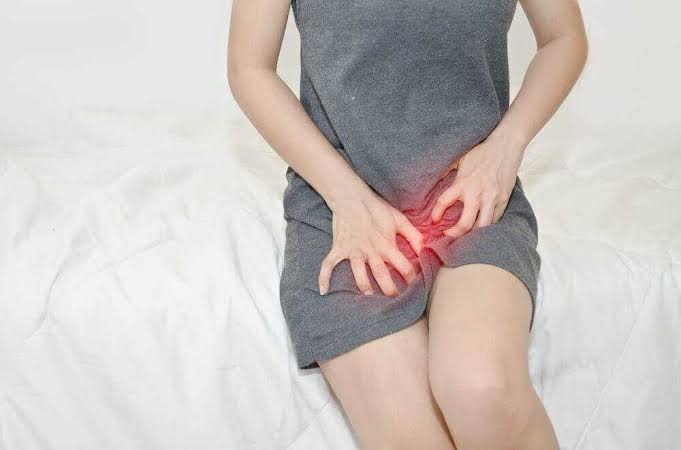
vulvodyniaIt is a chronic pain condition characterized by long-lasting pain, burning, stinging, tenderness or irritation in the female external genital area, that is, the vulva. In the diagnosis of vulvodynia, it is important that there is no active infection, significant skin disease, trauma or any other disease that could explain the pain. While complaints occur only during touch and sexual intercourse in some women, they may continue spontaneously during the day in some women.
Istanbul vulvodynia treatmentWhile planning, it is not only about the region where the crops are located; When the pain started, whether it increases with touch, its relationship with sexual intercourse, pelvic floor muscles and previous treatments should be examined together. Assoc. Dr. The aim of the evaluation to be performed by Nazlı Korkmaz is to first exclude other gynecological conditions that may cause genital pain and then create a personalized treatment plan.
What is Vulvodynia?
Vulvodynia is a condition of pain in the vulvar area that persists for at least three months and cannot be explained by a clear medical reason. While the pain may be found only in a certain spot, it may also affect a larger part of the external genital area.
Vulvodynia may not be due to a single disease mechanism. It is thought that the sensitivity of the nervous system to pain, overactive pelvic floor muscles, hormonal factors, previous infections and different factors affecting the person's perception of pain may play a role together.
Article summary
Vulvodynia is a condition of chronic pain in the vulvar area that lasts for more than three months and cannot be explained by any other obvious disease. Burning, stinging, tenderness and pain during sexual intercourse may occur. Treatment; It is planned according to the type of product, pelvic floor functions and personal characteristics.
What Will You Find in This Article?
- What is Vulvodynia?:The definition and basic characteristics of chronic vulvar pain are explained.
- Vulvodynia Symptoms:Symptoms such as burning, stinging, sensitivity to touch, and pain during intercourse are addressed.
- Vulvodynia Diagnosis:Gynecological examination, cotton swab test and exclusion of other diseases are explained.
- Vulvodynia Treatment:Pelvic floor physiotherapy, pain management, drug treatments and multidisciplinary approaches are explained.
What are the symptoms of vulvodynia?
In vulvodynia, patients may describe pain in different ways. While some women experience a distinct burning sensation, others may experience stinging, sharp pain, irritation or extreme sensitivity to touch.
- Burning sensation in the vulva area,
- Stinging or pricking sensation,
- Extreme sensitivity to touch,
- Feeling of weeping or irritation in the genital area,
- Pain during sexual intercourse,
- Pain when using tampons,
- Significant tenderness during gynecological examination,
- Discomfort when sitting for long periods of time,
- Genital pain that increases with tight clothing,
- Some women may experience pain that continues spontaneously throughout the day.
The severity of the pain may increase during the day. Complaints that ease in some periods may increase again later.
What are the Types of Vulvodynia?
Vulvodynia can be classified in different ways depending on the region where the pain is located and in which situations it occurs. This distinction is important in planning treatment.
| Vulvodynia Type | The special feature of the ar1n1n | sample complaint |
|---|---|---|
| Localized Vulvodynia | A r1 is in a specific part of the vulva. | Sensitivity, especially at the entrance to the vagina |
| Generalized Vulvodynia | Pain is felt over a larger area of the vulva. | Widespread burning during the day |
| Caused by Provocation | Contact or pressure initiates pain. | Pain during sexual intercourse, tampons or examination |
| Spontaneous Vulvodynia | Pain may develop without any contact. | Burning while sitting or resting |
In some women, both touch-related and spontaneous pain may occur together. Therefore, s1n1fland1rma is done according to the patient's individual history and examination findings.
What is Vulvar Vestibulodynia?
Vulvar vestibulodynia is a type of localized vulvodynia in which pain is concentrated especially in the vestibule area surrounding the entrance to the vagina. Pain mostly occurs with contact during sexual intercourse, tampon insertion or gynecological examination.
While some patients do not experience any complaints in daily life, they may only feel a sharp or burning pain during the penetration attempt. This situation may progress over time with excessive anticipation and involuntary contraction of the pelvic floor muscles.
"The fact that no obvious wound or infection is seen during the examination in vulvodynia does not mean that the pain experienced is unimportant. Correct classification of chronic pain is one of the most important steps in the treatment."
What Causes Vulvodynia?
The exact cause of vulvodynia may not be determined in every patient. Today, it is thought that it may occur through the combination of more than one mechanism rather than a single cause.
Excessive sensitivity in nerve endings, sensitization of the chronic pain system, constant tension of the pelvic floor muscles, hormonal factors and previous history of recurrent genital infection or irritation can be evaluated as possible related factors.
Is Vulvodynia a Fungal Infection?
No. Vulvodynia is not a fungal infection. However, since vulvodynia complaints cause burning and irritation, some patients may use different medications, thinking that they have a vaginal fungal infection that recurs for a long time.
If active fungal infection is suspected, necessary vaginal or vulvar tests may be performed. Repeated use of fungicides before infection is detected is not appropriate as it may cause additional irritation in the genital tissue.
Does Vulvodynia Cause Pain During Sexual Intercourse?
Yes. Especially in vestibulodynia, which occurs with provocation, significant burning and sharp pain may be observed at the entrance of the vagina during sexual intercourse. Pain may occur right at the beginning of penetration or may continue after intercourse.
Recurrent pain may, over time, cause the person to avoid sexual intercourse and increase pain expectations. Therefore, it is important to evaluate not only the physical pain but also the pain-fear-contraction cycle.
To learn about other gynecological causes of pain during sexual intercourseDyspareunia (Painful Sexual Intercourse)You can review our article.
Are Vulvodynia and Vaginismus the Same Thing?
No. Vulvodynia and vaginismus are different conditions, but they can occur together in the same patient. The main problem in vulvodynia is chronic pain and sensitivity in the genital area. In vaginismus, involuntary contraction of the pelvic floor muscles, fear and difficulty in penetration may be prominent during the vaginal penetration attempt.
In a woman who experiences pain for a long time due to vulvodynia, pain expectation may develop over time and the pelvic floor muscles may contract involuntarily. In this case, treating the vulvar area alone may not be sufficient and pelvic floor functions should also be addressed.
For detailed information about involuntary contraction and pain-fear cycle during penetrationIstanbul Vaginismus TreatmentYou can review our page.
What is the Difference Between Vulvodynia and Vaginal Dryness?
Vaginal dryness may occur as a result of decreased moisture and elasticity of the genital tissue, especially in relation to menopause, breastfeeding period or hormonal changes. Friction due to dryness may cause pain and burning during sexual intercourse.
In vulvodynia, pain cannot be explained only by dryness. However, since hormonal changes may increase vulvar sensitivity in some patients, age, menopause status, medications used and hormonal history are also taken into consideration during the evaluation.
For information about genital dryness due to hormonal changesVaginal Dryness During MenopauseYou can review our article.
How to Diagnose Vulvodynia?
There is no single blood test or imaging method for vulvodynia. The most important part of diagnosis is the patient history and gynecological examination. The duration of the pain, where exactly it was felt, under what circumstances it started, previous infections and treatments applied are questioned.
Since vulvodynia is a diagnosis of exclusion, the important purpose of the examination is to investigate other diseases that may cause pain.
How to Examine Vulvodynia?
During the examination, the external genital area is carefully evaluated. It is investigated whether there is any redness, wound, crack, skin change, infection or other lesion.
A cotton swab test can be applied in some patients to determine the A r1 region. By touching different points of the vulva with very light pressure, which areas are sensitive and the severity of the pain are evaluated. This procedure may be particularly helpful in identifying localized vestibulodynia.
Which Diseases Are Excluded in the Diagnosis of Vulvodynia?
Since there are many conditions that can cause chronic pain in the genital area, it is important to evaluate them before diagnosing vulvodynia.
- Vaginal or vulvar fungal infections,
- Herpes and other genital infections,
- Vulvar skin diseases such as lichen sclerosus or lichen planus,
- Contact dermatitis and irritation,
- Tissue changes due to menopause or hormonal deficiency,
- Nerve compression or nerve damage,
- Chronic pain that develops after birth or surgery,
- Pelvic floor muscle problems,
- Rarely, vulvar precancerous or cancerous lesions.
If a suspicious skin change or lesion is detected during the examination, additional examinations such as biopsy may be required.
Can Pelvic Floor Muscles Cause Vulvodynia?
Some women with vulvodynia may experience excessive activity, tenderness or trigger points in their pelvic floor muscles. When the pain begins, the muscles contract as a protective reflex and the contraction further increases the pain, which can create a cycle.
For this reason, Assoc. Dr. In the evaluation performed by Nazl1 Korkmaz, not only the vulva surface but also the condition of the pelvic floor muscles are taken into account in patients deemed necessary. If a pelvic floor problem is detected, physiotherapy may be an important part of the treatment.
How is Istanbul Vulvodynia Treated?
Istanbul vulvodynia treatmentIt should be planned individually. The same medication or the same application may not be effective in every patient. Whether the pain is localized or widespread, whether it occurs with contact or not, the condition of the pelvic floor muscles and its effect on sexual life are important in choosing treatment.
The aim of treatment is not only to reduce the severity of pain; It is to improve the person's daily life, sexual life and tolerance of touching the genital area as much as possible.
What Methods Are Used in the Treatment of Vulvodynia?
- Avoiding products that irritate the vulvar area,
- Pelvic floor physiotherapy,
- Local pain relieving treatments in suitable patients,
- Some drugs used to control neuropathic pain,
- Biofeedback and relaxation studies,
- Psychosexual counseling or cognitive behavioral approaches,
- Pain specialist evaluation when necessary,
- Surgical options may also be considered in localized cases that do not respond to selected and other treatments.
Treatments may need to be used simultaneously or in a certain order. Since vulvodynia is a chronic pain condition, it may take time for some patients to respond to treatment.
Is Pelvic Floor Physiotherapy Effective in Vulvodynia?
Pelvic floor physiotherapy is one of the important treatment options for vulvodynia patients with excessive contraction or tenderness in the pelvic floor muscles. The aim of the treatment is to better recognize and relax the muscles.
Manual therapy, myofascial release, biofeedback, relaxation exercises and gradual vaginal dilator studies in suitable patients can be parts of the physiotherapy program. The program should be planned according to the person's pain tolerance.
Can vulvodynia be treated with medication?
Different drug options can also be considered in the treatment of vulvodynia, depending on the type of a r1. Local anesthetic products may be preferred in some patients, and drugs used to control nerve origins may be preferred in some patients.
These medications may work differently than conventional painkillers and may take time for their effects to appear. Due to side effects and interactions with other drugs used, treatment should be planned under the supervision of a doctor.
How Should Genital Area Care Be in Vulvodynia?
Continuous irritation of vulvar tissue may increase complaints. Therefore, one of the simple but important parts of the treatment is to reduce unnecessary irritation in the genital area.
- Perfumed genital cleaning products should be avoided.
- Not having a vaginal douche,
- Not excessive soaping of the genital area,
- Changing detergents and hygiene products that cause sensitivity,
- Preferring cotton and comfortable underwear,
- Avoid using too tight clothes for a long time,
- Using sufficient lubricant during sexual intercourse,
- It may be helpful to identify personal triggers that increase pain.
Is Sexual Therapy Necessary in the Treatment of Vulvodynia?
Not every vulvodynia patient needs sexual therapy. However, people who have experienced pain during sexual intercourse for a long time may develop pain expectation, avoidance, anxiety and problems related to the couple relationship.
In these cases, psychosexual support can be used as a complement to physical treatment, not instead of it. The aim is not to think that pain is "psychological"; is to reduce the effects of chronic pain on sexual life.
For the effects of chronic genital pain on sexual life and supportive approachesIstanbul Sexual TherapyYou can review our content.
Can vulvodynia be treated with surgery?
Surgery is not the first option in the treatment of vulvodynia. Surgical options such as vestibulectomy may also be considered, especially in cases of vestibulodynia caused by provocation, where the pain is located in a limited area at the entrance to the vagina, and in selected patients in whom other appropriate treatments do not provide sufficient results.
Pelvic floor muscles, vaginismus or other causes of pain should be carefully evaluated before a surgical decision is made. Surgery is not expected to be equally appropriate for widespread or spontaneous vulvodynia.
Does it cure vulvodynia completely?
The course of vulvodynia varies from person to person. While in some patients, a significant reduction in pain can be achieved with the right treatment combination, in some patients, complaints may recur from time to time.
Especially in chronic cases, the realistic goal is not just to "reset the pain"; It may reduce the severity of pain, make daily life easier, and reduce the negative effects on sexual life.
How Long Does Vulvodynia Treatment Take?
There is no standard treatment duration for vulvodynia that applies to everyone. While some patients experience improvement within a few weeks, treatment may take months for people with pelvic floor dysfunction and long-standing chronic pain.
During the treatment, the location and severity of the pain can be re-evaluated at certain intervals and a decision can be made to continue or change the methods used.
When should a doctor be consulted for vulvodynia?
Temporary irritation in the genital area lasting a few days does not always mean chronic pain. However, if burning or pain persists for a long time, does not improve despite repeated infection treatments, or affects sexual life, a gynecological evaluation should be performed.
If there are symptoms such as wounds, bleeding, color or skin change, foul-smelling discharge, fever or a newly developing mass, especially in the genital area, different causes should be investigated without assuming that these are vulvodynia.
Istanbul Chronic Genital Pain and Vulvodynia Evaluation
Chronic genital pain and vulvodynia in IstanbulThe first aim of patients applying for pain is not to quickly apply a single treatment, but to understand which structure the pain really originates from. Vulvar skin, vagina, infections, hormonal status and pelvic floor muscles1 can be evaluated together.
Assoc. Dr. After the location and triggers of the pain are determined in the evaluation with Nazlı Korkmaz, approaches such as gynecological treatment, pelvic floor physiotherapy, pain management or psychosexual support can be planned together according to the patient's needs.
Frequently Asked Questions About Vulvodynia
How long does vulvodynia last and is diagnosed?
The definition of vulvodynia generally includes vulvar pain that persists for at least three months. However, time alone is not enough. Infection, skin disease and other causes that may explain the pain should also be evaluated.
Is vulvodynia contagious?
No. Vulvodynia is not a contagious disease or sexually transmitted infection. However, infections that may cause similar symptoms may need to be excluded during the examination.
Is vulvodynia caused by fungus?
Vulvodynia does not mean active fungal infection. Some patients may have a history of recurrent infection, but in order to diagnose vulvodynia, there must be no active infection that explains the problem.
Does vulvodynia hinder intercourse?
Vulvodynia, which causes pain with contact, especially at the entrance to the vagina, can make sexual intercourse difficult. However, sexual comfort can be increased with personalized treatment, pelvic floor exercises and, when necessary, psychosexual support.
Can vulvodynia and vaginismus occur together?
Yes. A woman who experiences recurrent pain due to vulvodynia may develop fear of penetration and involuntary contraction of the pelvic floor muscles over time. When both conditions are found, treatment must be planned together.
Is vulvodynia visible?
In vulvodynia, the appearance of the genital area may be completely normal. Therefore, the absence of a visible wound does not mean that there is no pain. The purpose of the examination is also to rule out other visible diseases.
Which test is done for vulvodynia?
There is no specific blood or imaging test that alone shows vulvodynia. A detailed history, gynecological examination and, when necessary, a cotton swab test are used. Additional tests may be performed if infection or a different disease is suspected.
Which doctor to see for vulvodynia?
The first evaluation can be made by a gynecologist and obstetrician. When necessary, support can be received from a pelvic floor physiotherapist, pain specialist, dermatology or psychosexual health field.
Is pelvic floor physiotherapy necessary in vulvodynia?
It is not necessary in every patient. However, if there is excessive tension and sensitivity in the pelvic floor muscles, physiotherapy can be an important part of the treatment.
Is vulvodynia psychological?
Vulvodynia should not be considered only as a psychological problem. Chronic pain is related to the nervous system, muscles and different biological factors. However, since long-term severe anxiety can affect sexual life, psychological or psychosexual support can contribute to the treatment when necessary.
Is surgery required for vulvodynia?
Surgery is not the first option in most patients. Surgery may be considered only in selected patients who have limited pain in a specific area and who do not respond to appropriate non-surgical treatments.
When should one apply for vulvodynia treatment in Istanbul?
Vulvodynia treatment in IstanbulIn terms of genital burning, stinging or pain during intercourse, if it continues for more than three months or if the complaint does not improve despite repeated infection treatments, it would be appropriate to be evaluated by a gynecologist and obstetrician.